What Is Copper Solder Wire: Uses And Benefits
Copper solder wire is solder supplied in a thin, wire-shaped form that contains copper or is intended for joining copper parts. The term can refer to a copper-bearing solder alloy—often a tin-based alloy with a small amount of copper or, less precisely, to ordinary solder wire used to join copper wire or tubing.
It is not usually a strand of pure copper that melts like solder. The solder alloy melts at a lower temperature than the copper parts being joined, flows into the joint, and solidifies as it cools. Understanding which meaning applies helps you choose the right solder and avoid using an unsuitable product.
What “copper solder wire” can mean
The name is not always used consistently. It can describe two related but different things:
- Solder wire containing copper: An alloy wire used as filler metal. Many common lead-free solder alloys combine tin with a small amount of copper, though exact compositions vary.
- Solder wire for copper parts: A solder alloy used to join copper conductors, pipes, or other copper components. The solder may contain little or no copper itself.
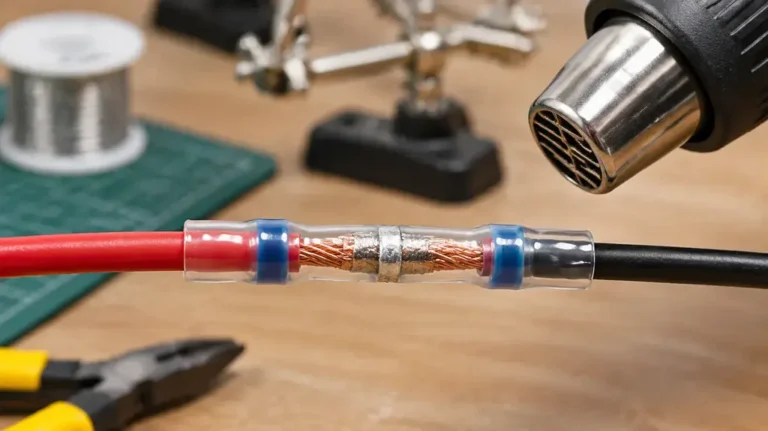
Pure copper melts at a much higher temperature than ordinary soft solder. For that reason, a copper component is generally joined with a separate solder alloy rather than melted into a joint with copper wire.
How copper-bearing solder wire works
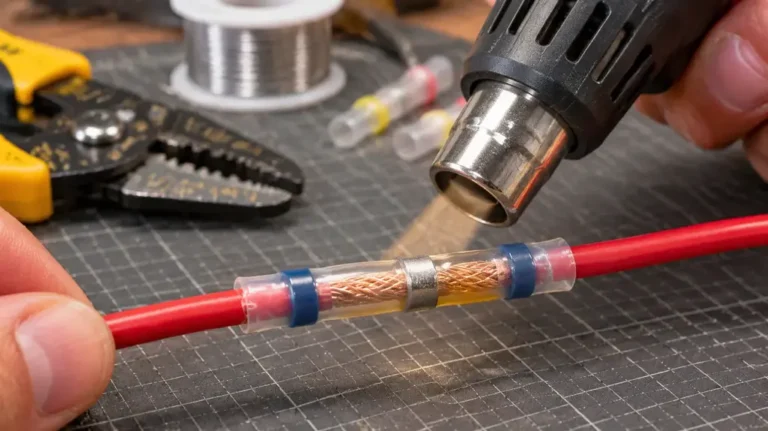
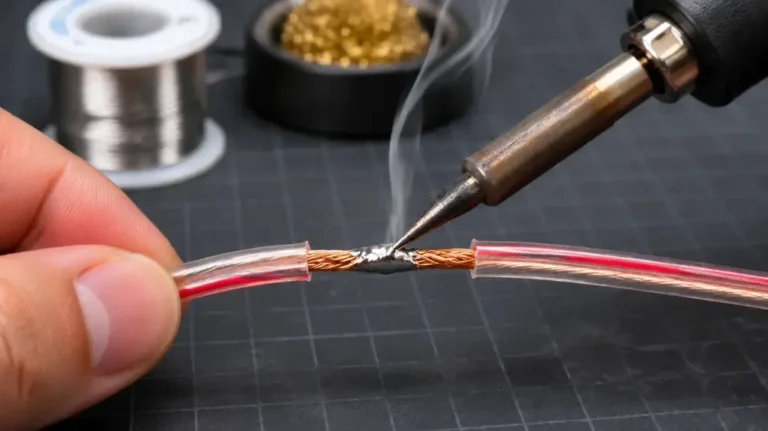
Soldering joins metal surfaces without melting the main parts. Heat from a soldering iron, torch, or other suitable heat source warms the joint. The solder melts, wets the prepared surfaces, and flows into the joint. Once the heat is removed, it cools and forms a solid connection.
Wetting means that molten solder spreads over a compatible, clean surface rather than gathering into a bead. Flux, when present or applied separately, helps remove or limit surface oxidation so the solder can make contact with the metal. The required heat source, flux, and preparation depend on the solder alloy and the job.
Soldering is different from brazing and welding. Those processes use different temperature ranges or melt the base metal, while ordinary soft soldering melts the filler alloy without melting the copper parts.
Where it is used
Copper-bearing solder and solder used on copper appear in several kinds of work, but a product suited to one application may not be suitable for another.
Electronics and electrical connections
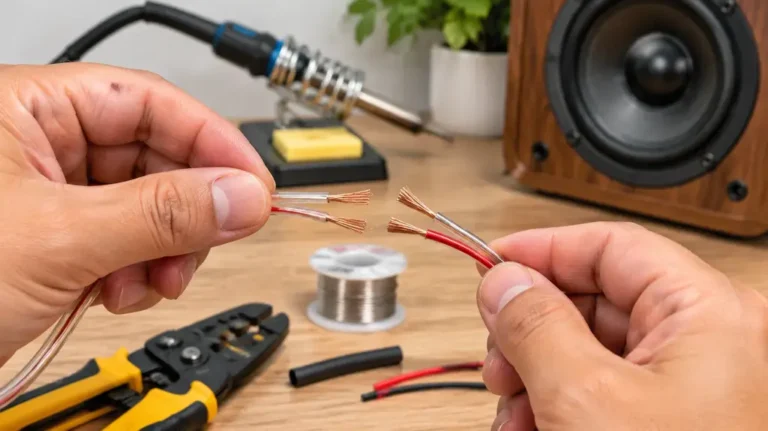
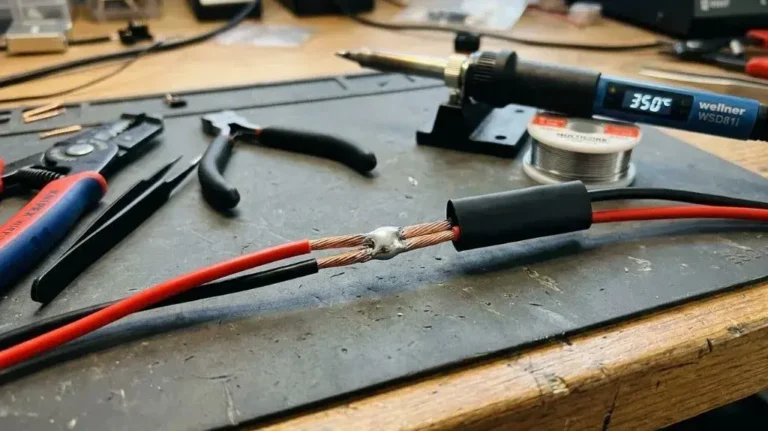
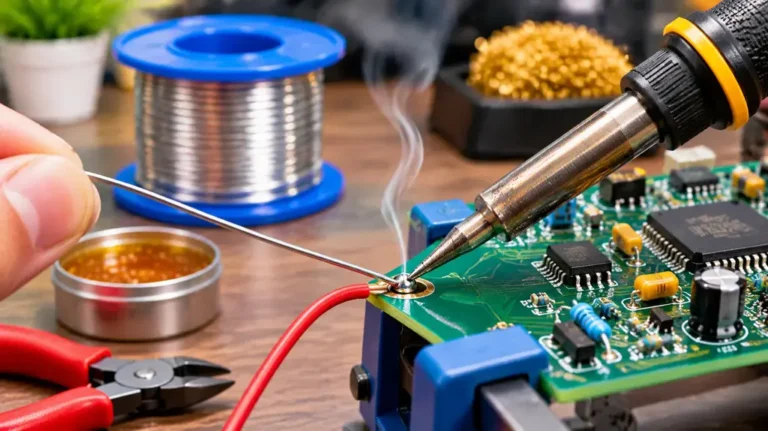
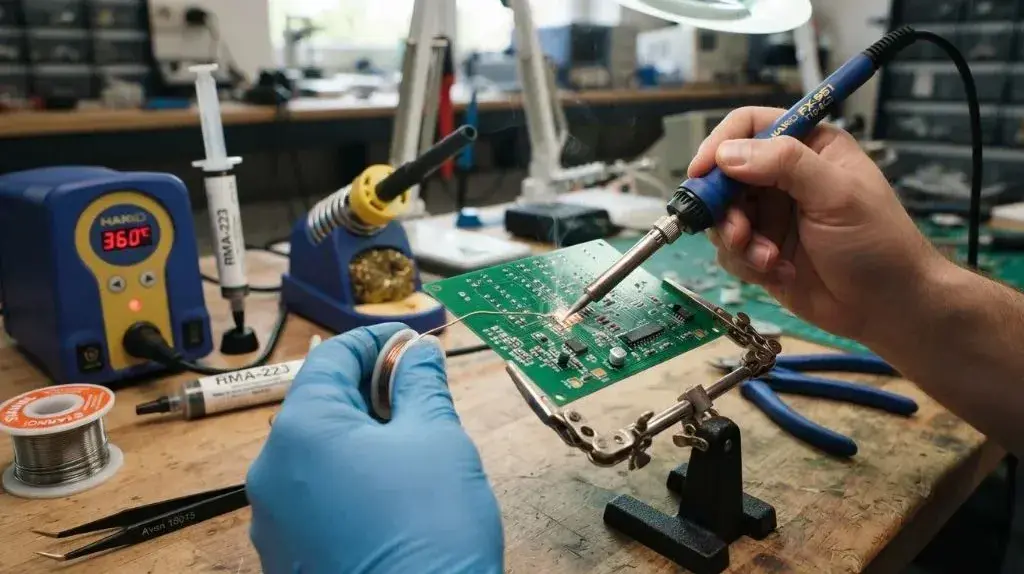
Solder wire is used to make electrical joints between compatible components, wires, and circuit-board pads. Electronics solder is generally designed for small, controlled joints and is often supplied with a flux core. Some formulations contain lead; others are lead-free.
For electrical work, check that the solder and flux are intended for electronics. Plumbing solder or plumbing flux may be unsuitable for circuit boards and electrical connections.
Copper plumbing
Plumbing solder is used to join compatible copper pipe and fittings. It is selected for plumbing applications and used with the appropriate flux and heat source. Follow the product directions and local plumbing requirements; plumbing solder and flux should not be treated as interchangeable with electronics materials.
Crafts and other metalwork
Some projects use solder to join copper sheet, wire, or decorative metal pieces. The right product depends on the metals, joint design, required strength, and finish. A soldered joint may not be appropriate where the assembly will face substantial mechanical loads or high temperatures.
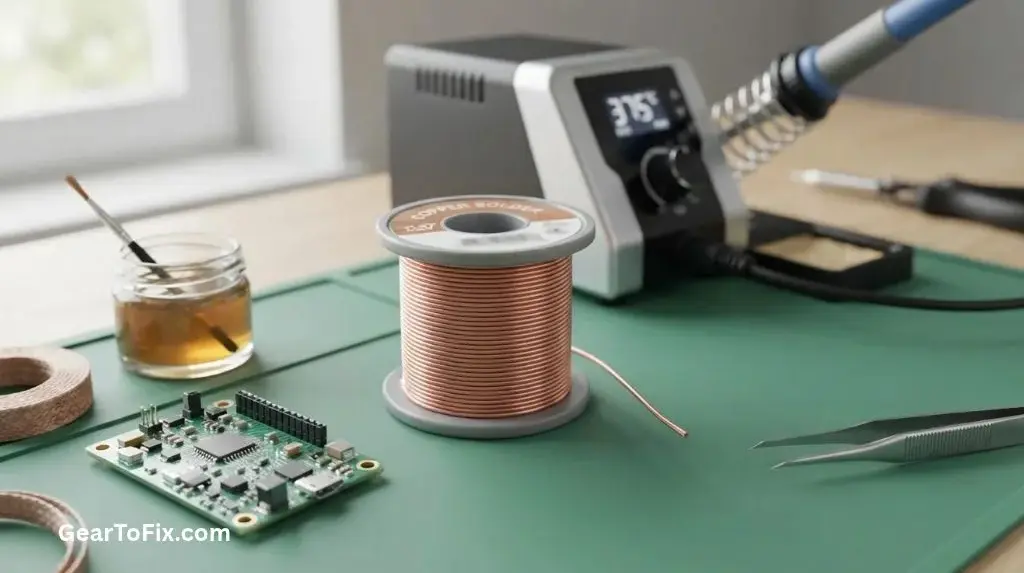
Copper-bearing solder wire compared with pure copper wire
| Feature | Copper-bearing solder wire | Pure copper wire |
|---|---|---|
| What it is | A filler alloy, often based on tin | A copper conductor or metal stock |
| Role in a joint | Melts and bonds compatible surfaces | Usually forms one of the parts being joined |
| Behavior under soldering heat | Melts at a temperature set by its alloy | Does not melt under ordinary soft-soldering conditions |
| Typical use | Joining compatible metals | Conducting electricity or forming a copper component |
If a package simply says “solder wire,” check its stated alloy, flux type, and intended application rather than assuming it is made of copper.
Choosing the right solder for copper
Start with the job, not just the metal. Copper can be used in electronics, plumbing, and craft work, but those applications may call for different solder alloys, fluxes, and procedures.
Check the product label or technical information for:
- Intended application: Electronics, plumbing, or general metalwork.
- Alloy composition: The metals in the solder affect its melting behavior and suitability.
- Flux type: Some wire has a flux core; other solder requires flux applied separately. Use flux made for the application.
- Compatibility: Confirm the solder and flux are suitable for copper and any other metals in the joint.
- Applicable requirements: Plumbing work may be subject to local codes and product restrictions.
Do not assume that lead-free solder is automatically appropriate for every job, or that any solder labeled “copper” is suitable for plumbing or electronics. Follow the product instructions and the requirements for the specific application.
Common mistakes to avoid
- Confusing solder wire with copper wire: Solder wire is filler metal; it is not normally a strand of pure copper.
- Using the wrong flux: Flux designed for plumbing may leave residues unsuitable for electronics. Match the flux to the work.
- Applying solder to dirty or oxidized surfaces: Poor surface condition can prevent solder from wetting the joint.
- Choosing by color or name alone: Check the alloy and application on the label.
- Assuming every soldered joint is suitable for heavy loads or high heat: Solder has limits. Use a joining method designed for the conditions the joint will face.
Safety when soldering
Soldering involves hot tools or flames, molten metal, and often flux fumes. Work with good ventilation, keep flammable materials away from the heat, and avoid touching the tool tip or freshly heated joint. Follow the solder and flux manufacturer’s handling instructions.
If the product contains lead, keep it away from food and wash your hands after handling it. Do not use lead-bearing solder where it is prohibited or unsuitable for the application.
FAQs Of What Is Copper Solder Wire
Is copper solder wire made of pure copper?
Usually, no. The phrase commonly refers to solder alloy wire that contains copper or to solder wire used on copper parts. Pure copper wire does not melt at the temperatures normally used for soft soldering.
Can copper wire be soldered?
Yes. Copper wire can be joined with a compatible solder and flux. The surfaces, solder type, heat source, and joint design should suit the electrical or mechanical purpose of the connection.
Does copper solder wire contain lead?
It depends on the product. Some solder alloys contain lead, while others are lead-free. Check the package or product information rather than relying on the word “copper.”
Can electronics solder be used on copper plumbing?
Not automatically. Electronics solder and plumbing solder may differ in alloy, flux, and intended use. Use materials specifically suitable for the job and follow local plumbing requirements.
Does solder make a copper joint as strong as the original material?
Not necessarily. A soldered joint’s strength depends on the materials, joint design, preparation, and service conditions. Soldering should not be assumed to restore the full strength of the original copper parts.
Final Takeaway
“Copper solder wire” usually means either a copper-bearing solder alloy or solder wire intended for joining copper—not pure copper wire that melts into a joint. Check the alloy, flux, and intended application before using it, since electronics, plumbing, and craft work can require different materials.

Scott Yarnell is a tool expert focused on practical guides, product research, and real-world tool performance to help readers make informed decisions.