What Is a Solder Wire Holder: Types, Uses, and Benefits
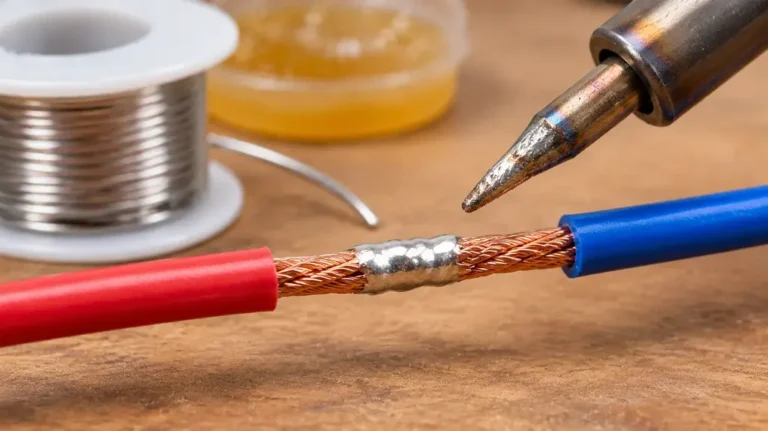
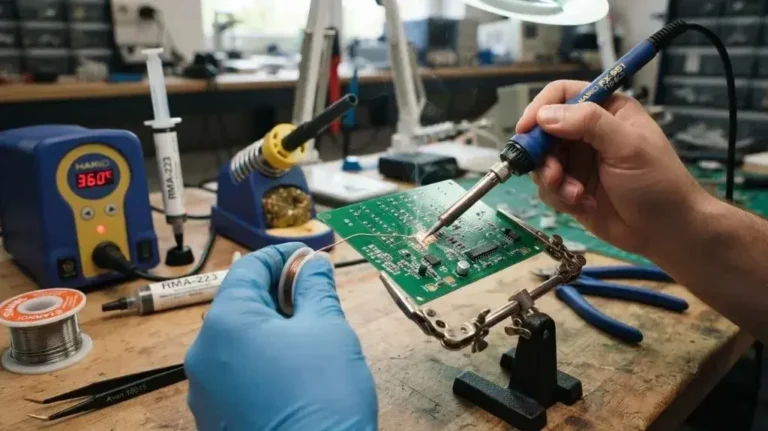
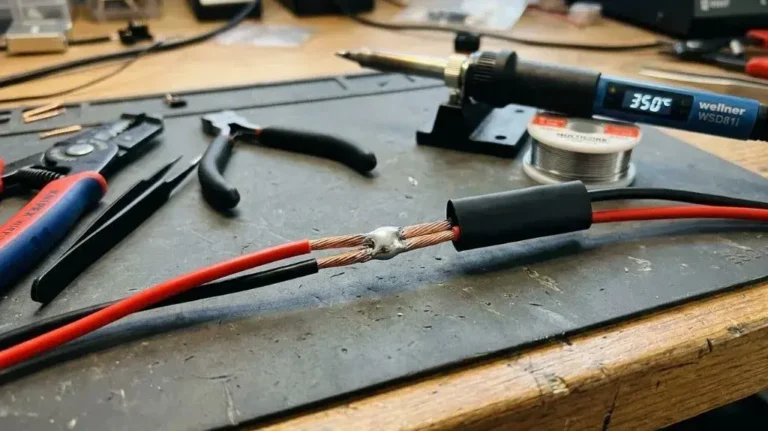
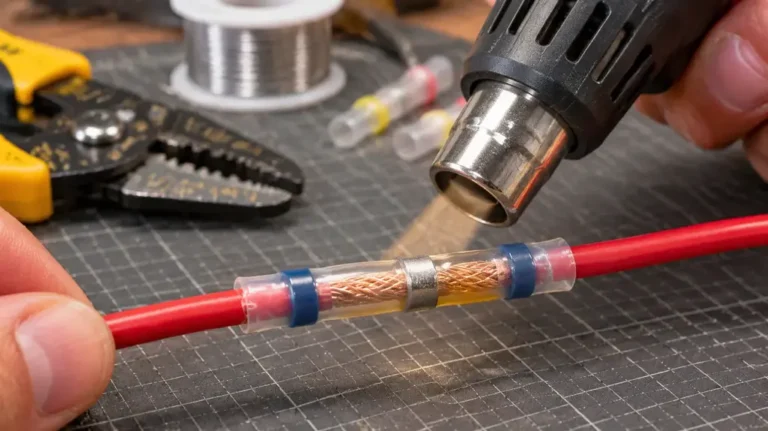
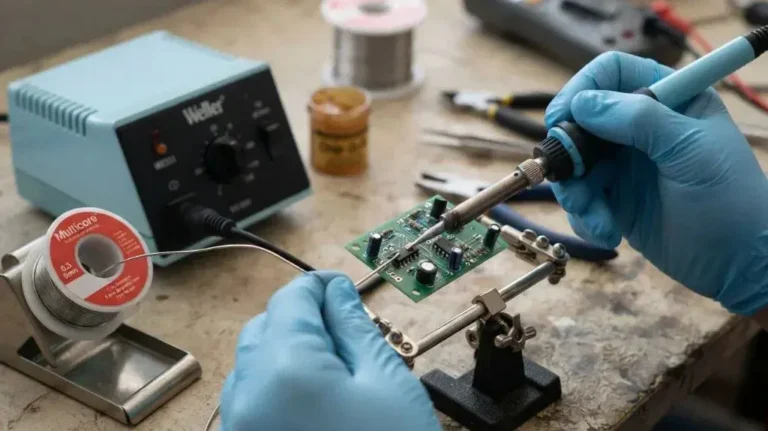
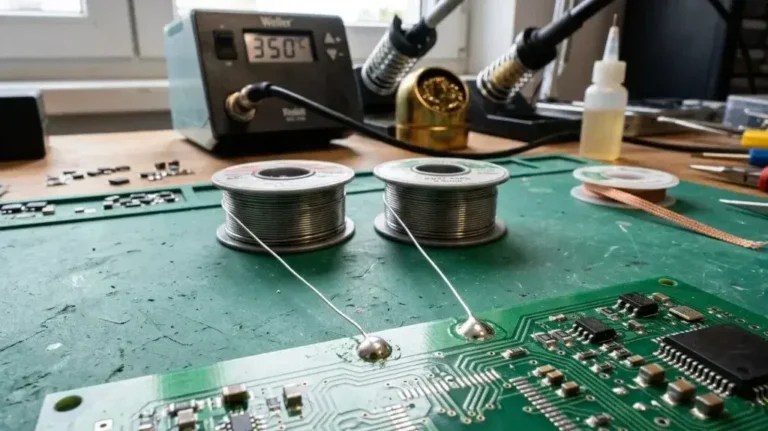
A solder wire holder is a small workshop accessory designed to keep solder wire organized, accessible, and easier to handle during soldering. Depending on its design, it can hold a solder spool for controlled dispensing or secure individual wires in position while two components are being joined.
By keeping solder or workpiece wires stable, a suitable holder reduces unnecessary movement, prevents tangling, and makes soldering more convenient. It is particularly useful for electronics repair, circuit board assembly, electrical connections, and DIY projects.
However, a solder wire holder is not the same as a soldering iron stand. Each accessory serves a different purpose. Understanding these differences will help you select the right holder for your workbench.
What Is a Solder Wire Holder?
A solder wire holder is a device that supports either a spool of solder wire or the wires being joined during soldering. Its primary purpose is to keep the material in a convenient, controlled position while the user works.
There are two common meanings of this term:
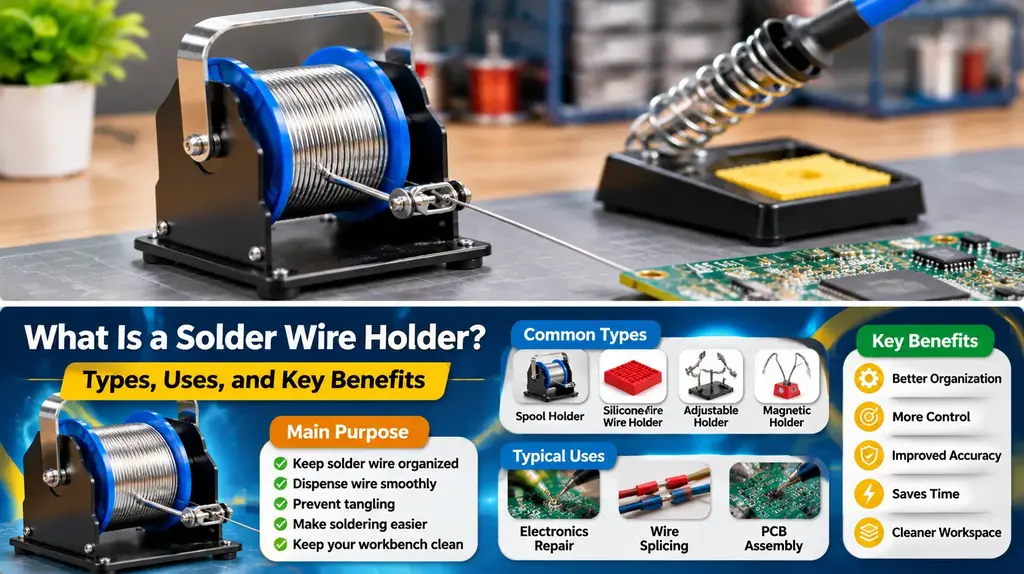
- Solder spool holder: Supports a roll of solder wire and allows the wire to unwind smoothly when needed.
- Wire positioning holder: Uses grooves, clips, or clamps to keep electrical wires or small workpieces in position during soldering.
Both designs help organize soldering work, but they solve different problems. A spool holder manages the solder supply, while a positioning holder keeps the material being joined from moving.
What Is the Purpose of a Solder Wire Holder?
The main purpose of a solder wire holder is to improve workbench organization and make soldering easier to control. It keeps the required material within reach and reduces the need to hold everything manually.
Its practical benefits include:
- Better organization: Keeps solder rolls and loose wires in designated positions.
- Controlled dispensing: Allows solder wire to be pulled from a spool without repeatedly picking it up.
- Reduced tangling: Prevents loose solder wire from becoming tangled with other tools and materials.
- Improved positioning: Holds electrical wires or small components steady during joining.
- Convenient access: Keeps frequently used materials close to the soldering area.
- Cleaner workspace: Reduces loose materials and unnecessary clutter around the workbench.
Different Types of Solder Wire Holders
Solder wire holders come in several designs. The right type depends on whether you need to organize a solder spool, hold individual wires, or support several materials at once.
1. Solder Spool Holder
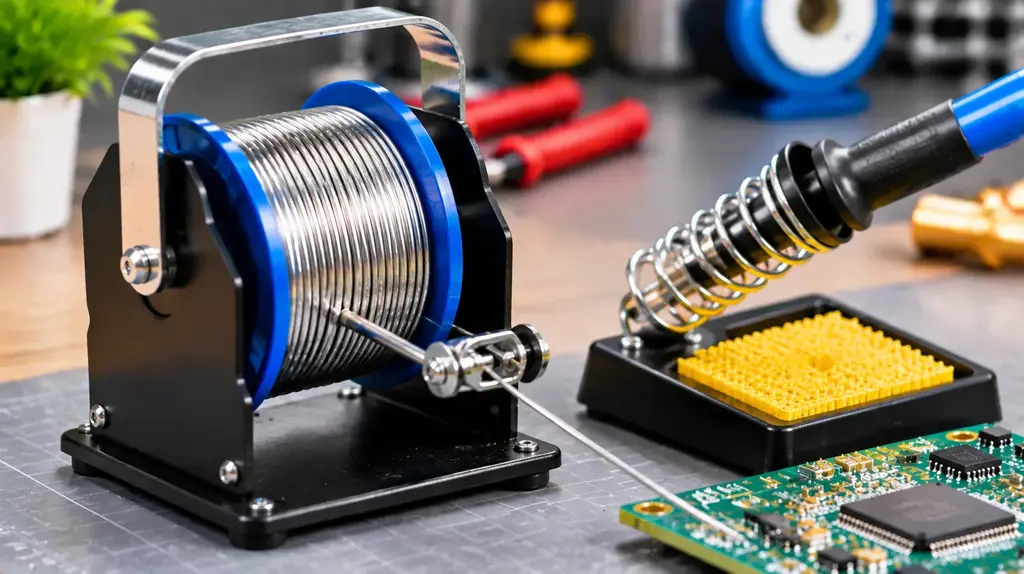
A solder spool holder is designed to support a reel of solder wire. It usually consists of a metal or plastic frame with a spindle that allows the spool to rotate as solder is pulled from it.
Some models include a wire guide or tension mechanism to help control dispensing. Others use a simple free-rotating spindle.
Common uses:
- Electronics repair benches
- Printed circuit board assembly
- Hobby soldering stations
- Regular soldering and maintenance work
2. Silicone Wire Holder
A silicone wire holder is a positioning accessory made from heat-resistant silicone. It commonly features several grooves that hold wires in place during soldering.
The grooves help prevent wires from moving while the user applies solder and heat. Some designs accommodate different wire sizes, although compatibility depends on the individual product.
Common uses:
- Wire splicing
- Electrical cable connections
- Electronics prototyping
- Small repair projects
3. Adjustable Wire Holder
An adjustable wire holder uses movable clamps, arms, or positioning mechanisms to secure wires and small components. Depending on its design, it may allow the user to change the holding angle and position.
This flexibility is useful when working with components that require careful alignment or when several wires must be joined in a specific arrangement.
4. Magnetic Wire Holder
A magnetic wire holder uses magnetic force to attach to a compatible metal work surface or support. Some designs combine magnetic bases with adjustable arms or clips.
These holders can be repositioned without permanently attaching them to the workbench. However, magnetic strength and compatibility vary between models.
5. Multi-Function Soldering Holder
A multi-function soldering holder combines several workshop accessories into one unit. Depending on the design, it may include a solder spool support, wire guide, component clips, or a soldering iron rest.
Combining multiple functions can save workbench space and keep frequently used accessories together.
Solder Wire Holder vs. Soldering Iron Holder vs. Helping Hands
These three accessories are sometimes confused because they are all used around a soldering workstation. However, their functions are different.
| Accessory | Main Function | Typical Use |
|---|---|---|
| Solder Wire Holder | Supports solder spools or workpiece wires | Organizing and positioning materials |
| Soldering Iron Holder | Supports a hot soldering iron | Safely resting the iron between operations |
| Helping Hands | Holds components or workpieces using adjustable clips | Hands-free positioning during assembly |
A soldering iron holder is especially important because it provides a designated resting place for a hot tool. A wire holder cannot replace a heat-rated iron stand.
How Does a Solder Wire Holder Work?
The operating principle depends on the type of holder. A spool holder uses a rotating support, while a wire positioning holder relies on grooves, clamps, or clips to keep materials steady.
How a Solder Spool Holder Works
- Mount the spool: Place the solder reel onto the holder’s spindle or support.
- Position the wire: Guide the free end through the designated wire guide if the model includes one.
- Pull the required amount: Gently pull the solder wire toward the working area.
- Dispense as needed: Allow the spool to rotate while maintaining controlled wire movement.
- Store the wire: Return the loose end to its designated position when the work is finished.
How a Wire Positioning Holder Works
- Place the holder on a stable, suitable work surface.
- Position the wires inside the appropriate grooves or clips.
- Adjust the wires so their ends align correctly.
- Check that the wires cannot move easily during the soldering process.
- Apply heat and solder using the appropriate soldering equipment.
- Allow the joint to cool before removing the wires from the holder.
Do not force wires into grooves that are too small. Excessive pressure can damage insulation or deform delicate conductors.
Where Are Solder Wire Holders Used?
Solder wire holders are useful in many environments where soldering materials need to remain organized or stable.
Electronics Repair
Electronics technicians use spool holders to keep solder wire accessible while repairing circuit boards, connectors, and electronic components. Positioning holders can also help secure small wires during delicate connections.
PCB Assembly
During printed circuit board assembly, organized solder dispensing makes it easier to access the required material. Separate positioning accessories can help stabilize small wires and components when necessary.
Electrical Wiring
Wire positioning holders can support compatible electrical wires during selected soldering and splicing operations. Their grooves or clamps help maintain alignment while a connection is made.
DIY and Hobby Projects
Hobbyists often use compact holders to keep soldering materials organized. A simple spool dispenser or silicone wire holder can make a small workbench easier to manage.
Workshop and Production Environments
In workshops where soldering is performed regularly, dedicated holders help maintain consistent material placement. Larger workstations may use multiple spool supports or specialized wire positioning fixtures.
What Features Should You Look for in a Solder Wire Holder?
Choosing a suitable holder depends on your working method, solder spool dimensions, wire sizes, and available workspace.
1. Compatibility With Solder Spools
If you need a spool dispenser, check the maximum spool diameter, width, and spindle compatibility. A holder that does not fit the spool properly may cause uneven dispensing or instability.
2. Stable Base
A stable base helps prevent the holder from moving when you pull solder wire. Weighted bases and non-slip feet can improve stability on a workbench.
3. Material Quality
Common materials include metal, plastic, and silicone. Select a material appropriate for the holder’s intended function and its exposure to heat.
4. Wire Size Compatibility
For positioning holders, check the groove or clamp dimensions. The holder should accommodate the intended wire diameter without crushing the insulation or deforming the conductor.
5. Ease of Adjustment
Adjustable holders can be useful when working with different wire lengths or component arrangements. Check that their adjustment mechanisms remain stable during use.
6. Workbench Space
Consider the available workspace before choosing a large multi-function holder. A compact spool support may be sufficient for a small electronics repair station.
Common Problems With Solder Wire Holders
Although these accessories are relatively simple, incorrect setup or unsuitable design can make them inconvenient to use.
| Problem | Possible Cause | Practical Solution |
|---|---|---|
| Solder spool does not rotate smoothly | Incorrect mounting or excessive friction | Check spindle alignment and spool compatibility |
| Holder moves during use | Unstable or lightweight base | Use a suitable stable mounting surface |
| Solder wire becomes tangled | Loose wire or uncontrolled dispensing | Use a wire guide and store the loose end properly |
| Wires slip out of grooves | Incorrect groove size or poor positioning | Use a compatible holder and adjust the wire position |
| Wire insulation becomes damaged | Excessive clamping pressure or heat exposure | Use appropriate grooves and keep the holder away from direct heat |
How to Maintain a Solder Wire Holder
Regular maintenance helps keep the holder functional and prevents accumulated solder residue or workshop debris from interfering with its operation.
- Remove dust and debris from the holder regularly.
- Check the spindle and rotating parts for unnecessary friction.
- Inspect clamps and grooves for wear or damage.
- Remove accumulated solder residue using a method suitable for the holder’s material.
- Check that mounting points and screws remain secure.
- Keep the holder away from direct contact with a hot soldering iron.
Follow the manufacturer’s cleaning instructions, particularly for silicone and plastic holders. Some cleaning chemicals can damage these materials.
Safety Tips When Using a Solder Wire Holder
A solder wire holder improves workbench organization, but it does not eliminate the hazards associated with soldering.
- Keep the holder on a stable work surface.
- Use a separate, suitable soldering iron stand for the hot iron.
- Avoid placing plastic or silicone accessories where they can contact the hot iron tip.
- Use appropriate ventilation or local fume extraction when soldering.
- Wear suitable eye protection.
- Keep loose wires away from the soldering iron’s heated parts.
- Follow the safety instructions for the solder alloy and flux being used.
For additional guidance on the soldering material itself, see our related explanation of what silver-bearing solder wire is and how it is used.
Frequently Asked Questions Of What Is a Solder Wire Holder
What is a solder wire holder used for?
A solder wire holder supports a solder spool or positions wires during soldering. It helps organize materials, control wire dispensing, and keep workpieces stable.
Is a solder wire holder the same as a soldering iron stand?
No. A solder wire holder supports solder wire or workpiece wires, while a soldering iron stand provides a designated resting place for a hot soldering iron.
Can a solder wire holder improve soldering accuracy?
Yes, depending on its design. A spool holder provides controlled access to solder wire, while a positioning holder can reduce movement of the wires being joined.
Are silicone solder wire holders heat-resistant?
Many silicone wire holders are designed to tolerate heat encountered during their intended use. However, their temperature limits vary. They should not be treated as a substitute for a dedicated hot-tool stand.
Do all solder wire holders fit every spool?
No. Spool holders have different spindle sizes and capacity limits. Check the manufacturer’s compatibility information before using a particular spool.
Can beginners use a solder wire holder?
Yes. A solder wire holder is generally straightforward to use and can help beginners keep their materials organized while learning soldering techniques.
Final Takeaway
A solder wire holder is a practical accessory that helps organize soldering materials and maintain better control during electronics and electrical work. Depending on its design, it can support a solder spool or hold individual wires in position.
Before choosing one, identify whether you need a spool dispenser or a wire positioning holder. Then check its stability, material, size compatibility, and intended use.
For a more organized soldering workstation, a suitable wire holder can make everyday tasks easier. Pair it with a proper soldering iron stand and appropriate workholding equipment to create a safer and more functional setup.

Scott Yarnell is a tool expert focused on practical guides, product research, and real-world tool performance to help readers make informed decisions.