What Is Solder Wire: Types, Uses, And How To Choose
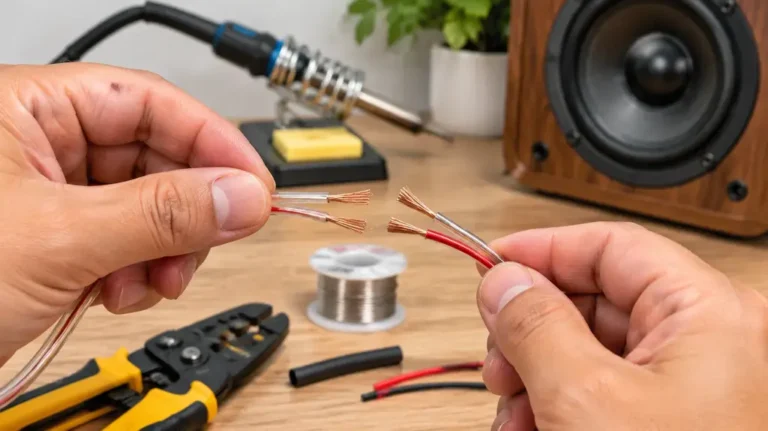
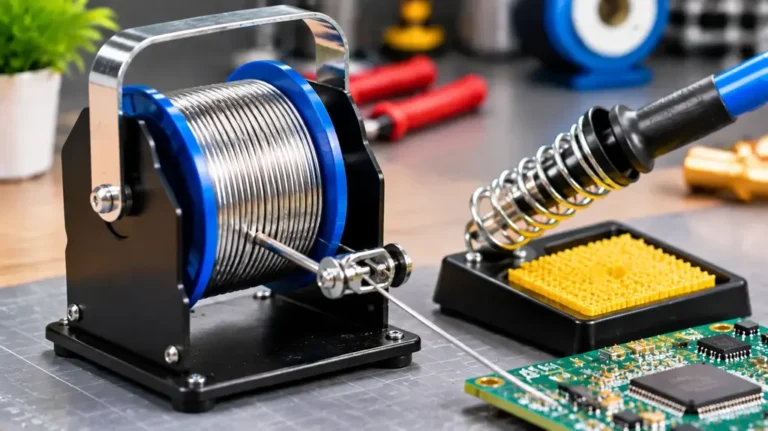
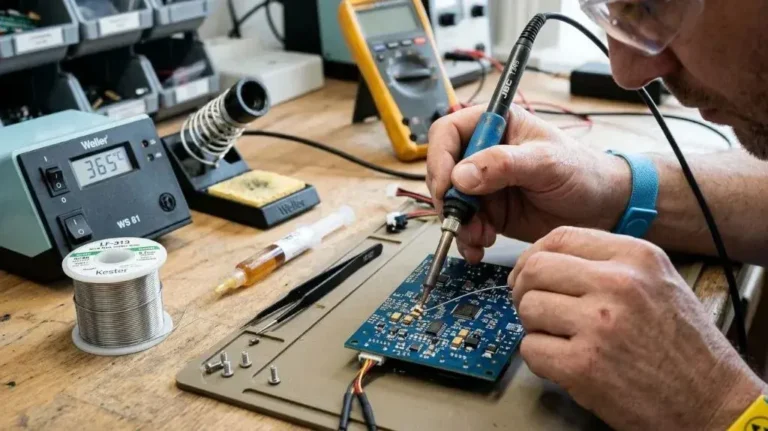
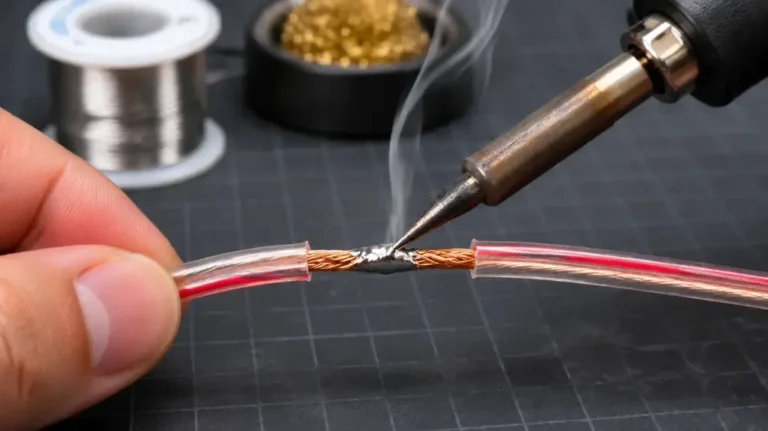
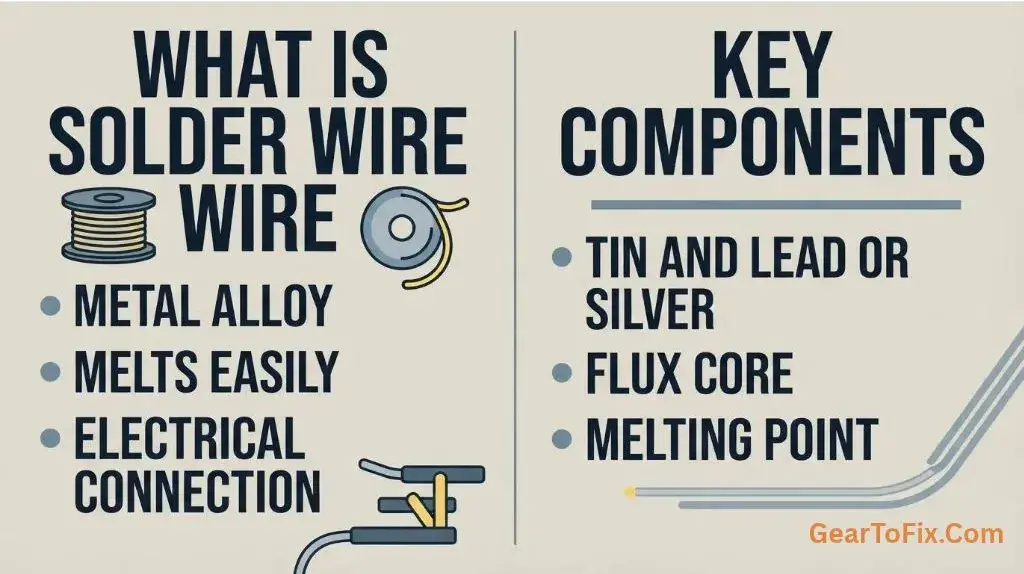
Solder wire is a thin metal alloy used to join metal parts, most often wires and electronic components. When heated with a soldering iron, it melts and flows onto the surfaces; after cooling, it forms an electrical and mechanical connection. Many types contain a hollow core filled with flux, which helps the molten solder bond to clean metal.
The right solder wire depends on the materials and job. Electronics, plumbing, and stained glass may require different alloys and fluxes, so solder intended for one use is not automatically suitable for another.
How Solder Wire Works
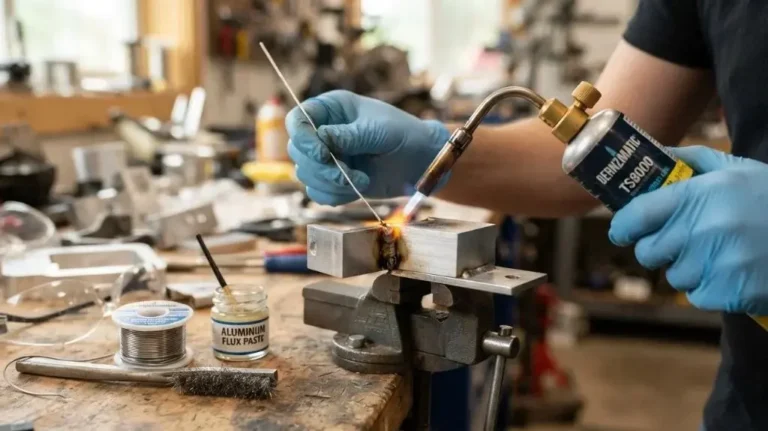
Solder wire acts as a filler metal: it melts and bonds to the surfaces being joined without melting the parts themselves. This process is called soldering. It differs from welding, which joins materials by melting the base metal, with or without added filler.
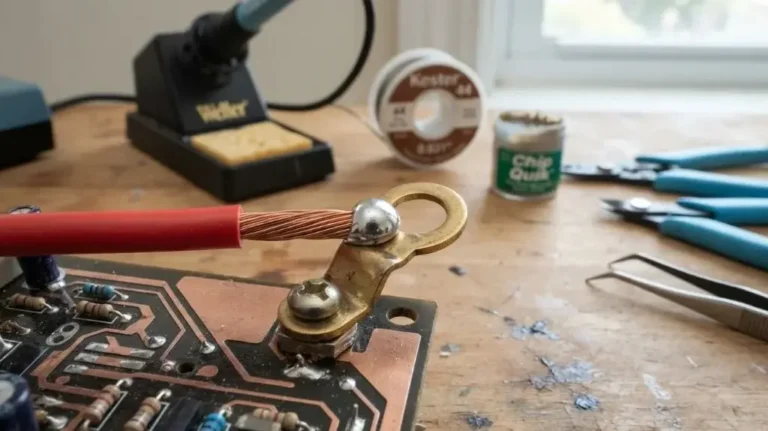
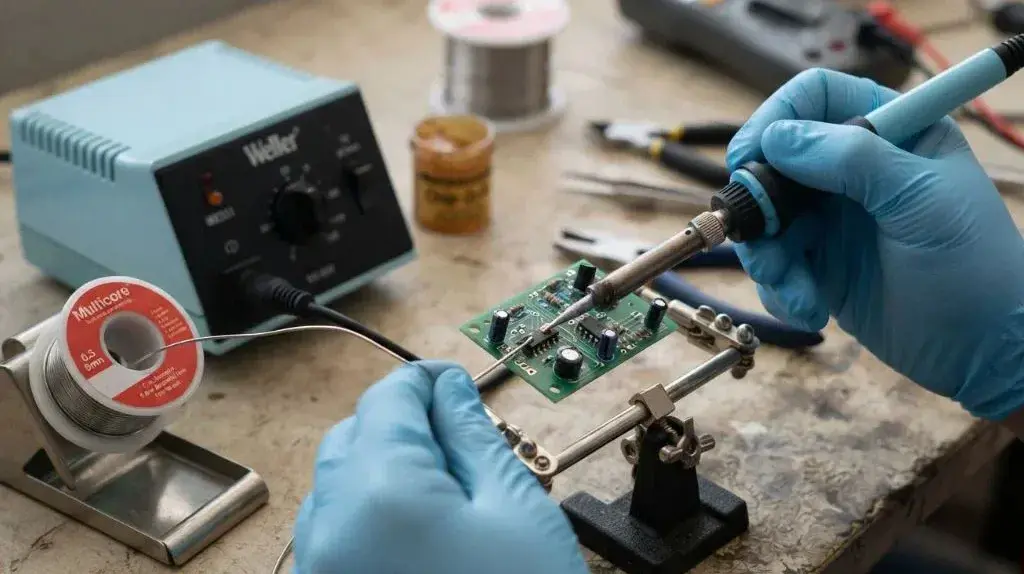
For an electronic connection, a soldering iron heats the metal surfaces and the solder. The solder melts and wets the surfaces—meaning it spreads across them rather than forming a bead that sits on top. As it cools, it solidifies and creates a conductive joint.
Clean surfaces and enough heat at the joint help solder flow properly. Solder alone cannot reliably compensate for dirt, oxidation, or a poorly heated connection.
What Solder Wire Is Made Of
Solder wire is made from a metal alloy, or a blend of metals. The alloy affects how the solder melts, flows, and performs. Many solder wires used for electronics are tin-based.
Leaded and lead-free solder
Leaded solder commonly contains tin and lead. Some familiar formulations include 60/40 and 63/37, referring to the proportions of the two metals. Leaded solder is still used in certain applications, but lead exposure is a health concern, and its use is restricted in many products and settings.
Lead-free solder uses other metals in place of lead, often with tin as the main component. Its exact composition varies. It may behave differently from leaded solder, so follow the solder and equipment manufacturer’s guidance for temperature and application.
For plumbing or other regulated work, use solder that meets the requirements for the specific system and location. Never assume that solder suitable for electronics is appropriate for pipes that carry drinking water.
Solid-core and flux-core wire
Solder wire may be solid or contain flux in a hollow center.
- Flux-core solder releases flux as the solder melts. This is common for hand-soldering electronics and general repair.
- Solid solder wire has no flux inside. The user applies a separate flux suited to the materials and task.
Flux helps remove or disrupt surface oxidation so molten solder can spread and bond. It does not replace the need to clean badly contaminated parts. Flux formulations also vary: some leave residues that are intended to remain, while others may need cleaning. Follow the product instructions.
Choosing Solder Wire for a Job
Check the intended application before choosing solder. The alloy, flux, and wire diameter all affect how easy it is to use and whether it is suitable for the materials.
| Factor | What to consider |
|---|---|
| Application | Electronics, plumbing, jewelry, and stained glass may call for different solder and flux. |
| Alloy | Leaded and lead-free alloys have different compositions and melting behavior. |
| Flux | Choose a flux type suitable for the materials and follow its cleanup instructions. |
| Diameter | Fine wire gives better control on small joints; thicker wire can feed more material for larger joints. |
| Local requirements | Plumbing and other regulated applications may have specific material requirements. |
For small electronic connections, a thinner wire can make it easier to control the amount of solder. Larger joints may need a thicker wire or more solder, but using too much can create bridges between nearby contacts. There is no single diameter or alloy that suits every job.
Common Uses for Solder Wire
Solder wire is used in many tasks where metal parts need to be joined without melting the parts themselves. Common examples include:
- Connecting electronic components to circuit boards
- Joining electrical wires or terminals
- Repairing some metal crafts and stained-glass work
- Joining pipes when the solder and method are suitable for the plumbing system
Use products labeled for the intended task. Electronics solder, plumbing solder, and other specialty solders can differ in alloy and flux. Substituting one for another may lead to a poor joint, damage, or a materials-compliance problem.
What a Good Solder Joint Should Look Like
A good joint has solder that has flowed onto the metal surfaces and formed a consistent connection. Its appearance can vary with the solder alloy, finish, and process, so shininess alone is not a reliable test—particularly with some lead-free solders.
Warning signs include:
- Solder forming a ball instead of spreading onto the surfaces
- A joint that moves after cooling
- Too much solder obscuring the connection
- Solder bridging two contacts that should remain separate
- A connection that appears rough or uneven and does not bond to the parts
These signs can point to issues such as dirty or oxidized surfaces, insufficient heating at the joint, poor positioning, or too much solder. The exact cause depends on the materials and technique.
Basic Tips for Using Solder Wire
For a typical electronics joint, the general process is:
- Prepare the parts. Make sure the surfaces are clean and positioned securely. Use solder and flux intended for the materials.
- Heat the joint. Touch the soldering iron tip to the parts being joined so both can reach a suitable temperature.
- Feed solder to the joint. Let the heated parts melt the solder rather than melting a large amount directly on the iron tip.
- Stop when enough solder has flowed. Remove the solder wire, then the iron, and keep the joint still while it cools.
- Inspect the result. Check that the solder bonded to the surfaces and did not connect neighboring contacts.
The right technique and iron temperature depend on the solder alloy, the size of the joint, and the materials involved. Follow equipment and solder instructions rather than relying on one setting or method for every job.
Safety and Storage
Soldering involves a hot tool, and flux fumes can irritate the eyes or respiratory system. Work with good ventilation, avoid breathing fumes directly, and keep the iron in a stable holder when it is hot. Do not touch the tip or molten solder.
If using leaded solder, avoid eating or drinking at the work area, wash your hands after handling it, and keep solder debris away from children and pets. Store solder in its labeled packaging so its alloy and intended use remain identifiable.
Frequently Asked Questions Of What Is Solder Wire
Is solder wire the same as welding wire?
No. Solder wire melts at a lower temperature and joins parts without melting the base metal. Welding generally joins materials by melting the base metal itself.
Does solder wire always contain flux?
No. Flux-core solder contains flux inside the wire, while solid solder wire does not. Solid solder may require separately applied flux.
Can electronics solder be used for plumbing?
Not necessarily. Plumbing solder must be suitable for the pipe material and the system, and local rules may apply. Use solder labeled for the plumbing task rather than substituting electronics solder.
Is lead-free solder always safer to use?
Lead-free solder avoids lead in the alloy, but it still requires careful handling. The iron is hot, and fumes from flux can be irritating. Use ventilation and follow the product’s safety directions.
How do I choose the right solder wire diameter?
Choose a diameter that lets you feed a controlled amount for the size of the joint. Fine wire is often easier to manage on small electronic connections, while larger joints may need more solder. Suitability also depends on the alloy and application.
Final Takeaway
Solder wire is a metal alloy used to join parts by melting and flowing over their surfaces, then solidifying as it cools. To get a reliable joint, match the solder’s alloy, flux, and diameter to the job and use products intended for the materials and application.

Scott Yarnell is a tool expert focused on practical guides, product research, and real-world tool performance to help readers make informed decisions.