What Kind of Solder Should I Use for Copper Wire?
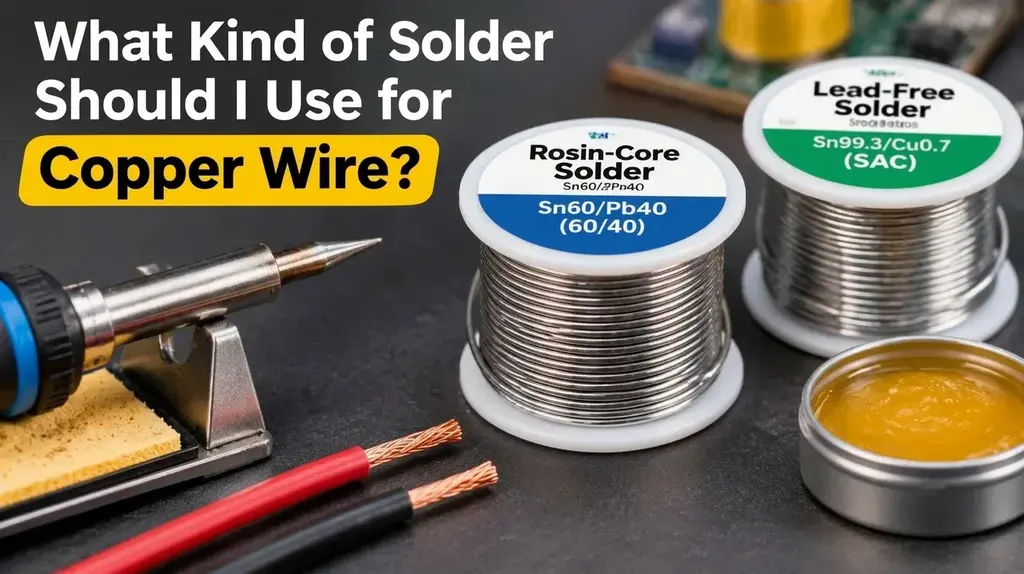
Choosing the right solder for copper wire is essential for creating a reliable electrical connection. For most electronics and low-voltage wire repairs, rosin-core solder made from tin and lead or a suitable lead-free alloy is the right choice. The best option depends on your application, wire thickness, and whether you need to follow lead-free requirements.
For general copper wire soldering, 63/37 tin-lead solder is popular because it melts and flows smoothly. If you need a lead-free option, SAC305 or another suitable electronics-grade alloy is a common alternative. Most importantly, choose rosin-core solder rather than acid-core plumbing solder.
This guide explains the different solder types, their advantages, recommended diameters, flux requirements, and how to choose the right solder for your copper wire project.
What Is the Best Solder for Copper Wire?
For ordinary electrical copper wire, use electronics-grade rosin-core solder. A 63/37 tin-lead alloy is easy to work with where leaded solder is permitted, while SAC305 is a common lead-free alternative. Both can be suitable when matched to the wire, terminal, and application.
If you are working on a wire repair, you may also find our guide on how to solder wire connectors helpful for understanding connector preparation and soldering techniques.
| Solder Type | Composition | Best Application |
|---|---|---|
| 63/37 solder | 63% tin, 37% lead | General electronics and copper wire repairs where permitted |
| 60/40 solder | 60% tin, 40% lead | General electrical and electronics soldering where permitted |
| SAC305 solder | 96.5% tin, 3% silver, 0.5% copper | Lead-free electronics and electrical connections |
| Tin-copper solder | Tin with a small percentage of copper | Lead-free soldering applications |
For most beginners, 63/37 rosin-core solder is easier to handle than many lead-free alternatives. However, lead-free solder is preferable or required in applications where environmental regulations or product specifications prohibit lead.
Understanding the Different Types of Solder for Copper Wire
Solder is a metal alloy that melts when heated and forms an electrical and mechanical bond between suitable metal surfaces. Different alloys have different melting characteristics, flow properties, and application requirements.
1. 63/37 Tin-Lead Solder
63/37 solder contains 63% tin and 37% lead. It is a eutectic alloy, meaning it changes from solid to liquid at approximately 183°C (361°F) without passing through a pasty temperature range.
Its main advantages include:
- Melts at a relatively low temperature.
- Flows smoothly onto clean copper surfaces.
- Solidifies quickly.
- Is relatively easy for beginners to control.
- Works well for many electronics and wire repair applications.
The main disadvantage is its lead content. Lead is toxic, so appropriate handling, ventilation, handwashing, and disposal practices are essential. Follow applicable regulations and avoid using leaded solder in products or applications that require lead-free materials.
2. 60/40 Tin-Lead Solder
60/40 solder contains 60% tin and 40% lead. It is another widely used alloy for electronics and electrical repair.
Unlike 63/37 solder, 60/40 passes through a small pasty range as it cools. This means the joint needs to remain still until the solder has fully solidified.
It is suitable for many general copper wire soldering applications when leaded solder is permitted.
3. SAC305 Lead-Free Solder
SAC305 is a common lead-free solder alloy containing 96.5% tin, 3% silver, and 0.5% copper.
It is frequently used in electronics manufacturing and lead-free soldering applications.
Its advantages include:
- Does not intentionally use lead as an alloy component.
- Suitable for many RoHS-compliant electronics applications.
- Provides good soldering performance with compatible flux.
- Works with appropriate copper wire and electronic terminals.
However, SAC305 generally requires more heat than 63/37 solder and needs suitable temperature control. Always check the solder manufacturer’s recommended working conditions.
4. Tin-Copper Lead-Free Solder
Tin-copper solder is another lead-free option. A commonly used composition is approximately 99.3% tin and 0.7% copper.
It can be used for appropriate electrical and electronics applications, although its higher melting temperature and wetting characteristics may make it less convenient for beginners.
Choose an alloy specifically designed for electronics soldering rather than an unidentified general-purpose metal solder.
Rosin-Core vs Acid-Core Solder: Which Should You Choose?
The flux inside solder wire helps remove surface oxidation and allows molten solder to wet the metal properly. The type of flux is just as important as the solder alloy.
Rosin-Core Solder
Rosin-core solder contains a rosin-based flux inside the solder wire. It is designed for electrical and electronics work because its flux is suitable for joining clean copper conductors and electronic terminals.
Benefits include:
- Suitable for many copper electrical connections.
- Helps remove light surface oxidation.
- Improves solder flow and wetting.
- Available in both leaded and lead-free alloys.
- Leaves less aggressive residue than acid-core flux.
Acid-Core Solder
Acid-core solder contains a more aggressive acidic flux, commonly intended for certain plumbing, sheet-metal, and metalworking applications.
It should not be used for ordinary electrical copper wire connections. Residual acidic flux can corrode conductors and damage electrical connections over time.
Recommendation: Choose rosin-core electronics solder for ordinary copper electrical wire work. Never substitute acid-core plumbing solder simply because it is available.
What Diameter Solder Wire Should You Use?
Solder wire diameter affects how much solder you can feed into a connection at once. A thinner diameter offers better control on small wires, while thicker solder can be convenient for larger connections.
| Solder Diameter | Typical Application |
|---|---|
| 0.3–0.5 mm | Small electronic components and delicate connections |
| 0.6–0.8 mm | General electronics and smaller copper wires |
| 0.8–1.0 mm | General wire repairs and medium-sized connections |
| 1.0 mm or larger | Larger terminals and suitable thicker-wire joints |
For most general-purpose copper wire soldering, 0.8 mm solder wire is a practical starting point. If you regularly work with thicker conductors, a 1.0 mm solder wire can make feeding solder easier.
Remember that solder diameter alone does not determine the quality of a connection. Correct wire preparation, heat transfer, and solder flow are equally important.
Do You Need Additional Flux When Soldering Copper Wire?
Rosin-core solder already contains flux, so additional flux is not always necessary. However, extra electronics-grade flux can help when the copper is oxidized, the joint is difficult to access, or the solder does not wet the conductor properly.
Common electronics flux options include:
- Rosin flux: A traditional flux used for many electrical soldering applications.
- RMA flux: Rosin mildly activated flux for suitable electronics work.
- No-clean flux: Designed to leave residues that generally do not require cleaning when used as specified.
Use a flux compatible with your solder alloy and application. Avoid acid-based plumbing flux on electrical conductors.
How to Solder Copper Wire Correctly
Choosing the correct solder is only one part of creating a reliable connection. Proper preparation and heating technique are also important.
Step 1: Gather the Required Tools
Before starting, prepare the following equipment:
- Temperature-controlled soldering iron.
- Rosin-core electrical solder.
- Wire strippers.
- Electronics-grade flux when needed.
- Wire holder or helping-hands tool.
- Heat-shrink tubing when insulation is required.
- Eye protection and suitable ventilation.
Step 2: Disconnect the Power
Make sure the circuit is completely disconnected from its power source. Never solder an energized wire.
For battery-powered equipment, isolate the battery and check for any remaining stored electrical energy before starting work.
Step 3: Strip and Prepare the Copper Wire
Use a wire stripper to remove the insulation without cutting or damaging the copper strands.
Inspect the exposed conductor. If strands are broken, badly oxidized, or damaged, prepare a fresh section of wire.
Step 4: Apply Flux When Needed
Apply a small amount of compatible electronics-grade flux to the exposed copper if additional cleaning action is needed.
Clean, freshly stripped copper often solders readily with rosin-core solder alone.
Step 5: Heat the Copper Wire
Place the soldering iron tip against the copper conductor and allow the wire to reach the appropriate soldering temperature.
The goal is to heat the copper itself rather than melt solder directly against the iron tip. This helps the solder flow onto the conductor instead of simply forming a coating on the surface.
Step 6: Feed Solder Into the Joint
Touch the solder wire to the heated copper. When the conductor is hot enough, solder should melt and flow across the exposed strands.
Use only enough solder to wet the connection. Avoid excessive solder buildup, which can make the wire stiff and increase the risk of a poor mechanical joint.
Step 7: Allow the Joint to Cool
Remove the soldering iron and keep the wire still until the solder solidifies. Moving the wire during cooling can disturb the joint.
Do not touch the soldered area until it has cooled sufficiently.
Step 8: Inspect and Protect the Connection
Check that the solder has properly wetted the copper strands. Look for loose strands, sharp solder points, excessive solder, or damaged insulation.
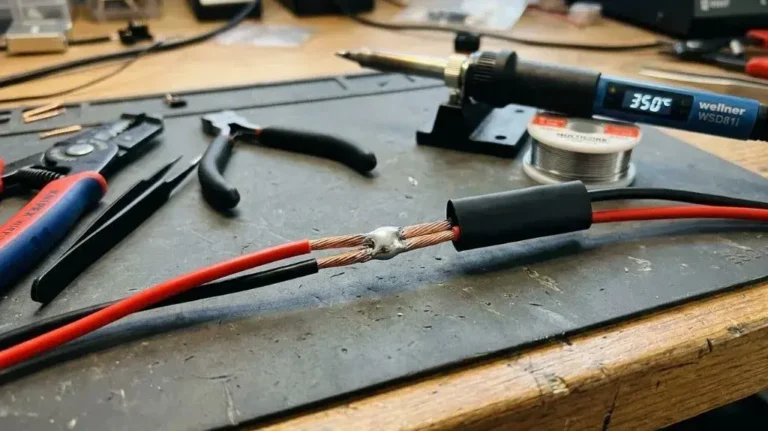
Once the joint has cooled, use an appropriately sized heat-shrink sleeve or other approved insulation method to protect the connection. Check continuity and electrical performance where appropriate.
Common Mistakes to Avoid When Choosing Solder
Using the wrong solder or flux can create unreliable electrical connections. Avoid these common mistakes:
- Using acid-core solder: Acidic residues can cause corrosion in electrical connections.
- Choosing solder without checking its alloy: Unknown compositions may not suit your application.
- Using excessive solder: Too much solder can create bulky, stiff connections.
- Applying insufficient heat: The solder may fail to wet the copper properly.
- Overheating the wire: Excessive heat can damage nearby insulation and components.
- Ignoring lead content: Leaded solder requires appropriate safety precautions and may be prohibited for certain products.
- Using plumbing solder for electronics: Plumbing products may contain unsuitable flux or alloy formulations.
- Skipping the inspection: A shiny appearance alone does not prove that a connection is electrically or mechanically reliable.
Safety Tips When Soldering Copper Electrical Wire
Soldering irons can reach temperatures high enough to cause serious burns. Soldering also produces fumes that should not be inhaled.
Follow these precautions:
- Work in a well-ventilated area with suitable local fume extraction.
- Wear appropriate eye protection.
- Keep flammable materials away from the soldering area.
- Use a stable soldering iron stand.
- Never touch the heated iron tip or freshly soldered joint.
- Wash your hands after handling leaded solder.
- Keep lead-containing solder and residues away from food and drink.
- Follow the manufacturer’s safety data sheet and disposal instructions.
- Use approved connection methods for household mains wiring and safety-critical applications.
For additional guidance, consult the University of Illinois soldering safety guidance, which discusses solder alloys, flux, fumes, and thermal hazards.
Frequently Asked Questions
What is the best solder for copper electrical wire?
Rosin-core electronics solder is a suitable choice for most copper electrical wire soldering. You can use 63/37 tin-lead solder where permitted or an appropriate lead-free alloy such as SAC305 when lead-free materials are required.
Should I use 60/40 or 63/37 solder for copper wire?
Both alloys can work for suitable copper wire connections. 63/37 melts at a single temperature and solidifies without a pasty range, making it easier to control. 60/40 is also widely used but has a small pasty range during cooling.
Can I use lead-free solder on copper wire?
Yes. Suitable lead-free alloys such as SAC305 and tin-copper solder can be used on copper electrical wire. They generally require higher working temperatures and appropriate soldering technique.
Is rosin-core solder better than acid-core solder for copper wire?
Yes, for ordinary electrical copper wire connections, rosin-core electronics solder is the appropriate choice. Acid-core solder contains aggressive flux that can leave corrosive residues and damage electrical connections.
What size solder wire is best for copper wire?
A diameter of approximately 0.8 mm is a practical general-purpose choice for many copper wire repairs. Thinner solder offers more control on small connections, while 1.0 mm solder can be useful for larger joints.
Can I use plumbing solder on copper electrical wires?
Not automatically. Plumbing solder and flux are formulated for plumbing applications, and their compositions may not be suitable for electrical connections. Use electronics-grade solder with compatible rosin or electronics flux instead.
Final Thoughts
The best solder for copper electrical wire is generally an electronics-grade rosin-core solder with an alloy suited to your application. 63/37 tin-lead solder is easy to work with where permitted, while SAC305 and other suitable lead-free alloys are useful alternatives.
Pay attention to the flux type, solder diameter, and working temperature. Avoid acid-core plumbing solder, prepare the copper properly, and inspect every finished connection.
Choosing the right materials and following safe soldering practices will help you create cleaner and more dependable electrical connections.

Scott Yarnell is a tool expert focused on practical guides, product research, and real-world tool performance to help readers make informed decisions.