What Is Flux-Core Solder Wire: Uses And Benefits
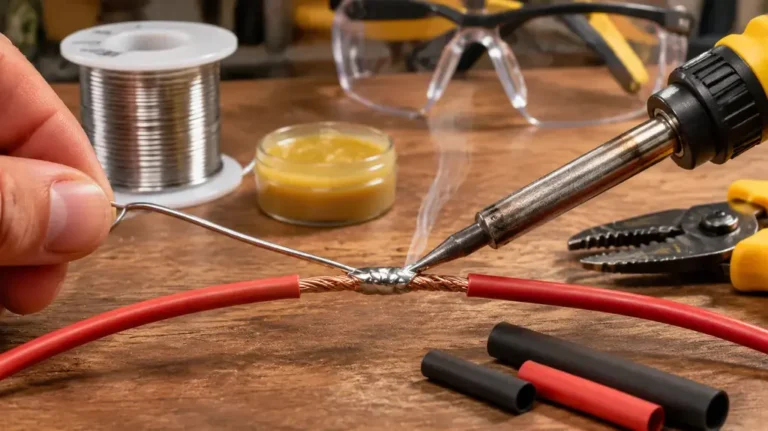
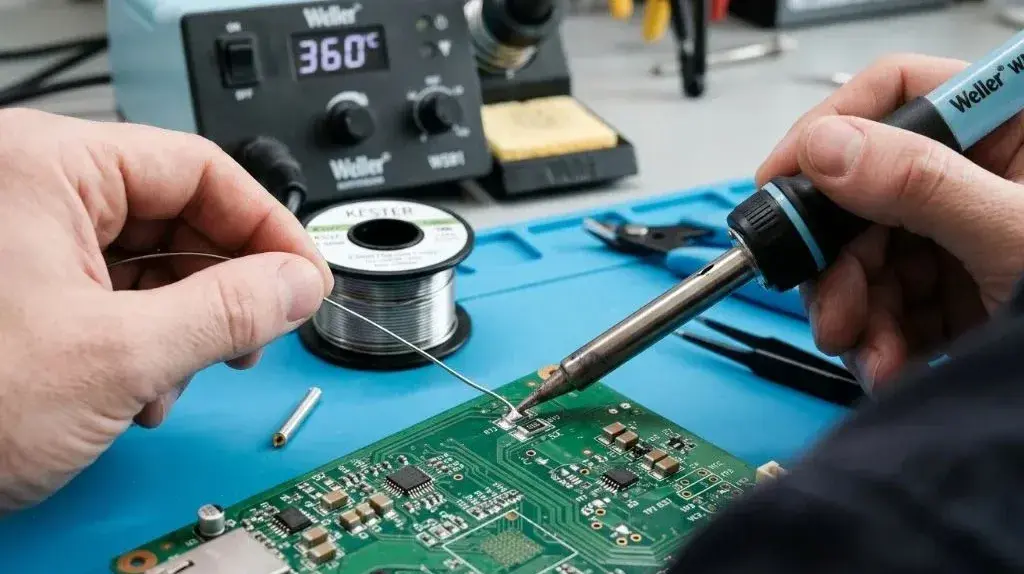
Flux-core solder wire is solder wire with a channel of flux running through its center. As the solder melts, the flux helps clean the metal surfaces and allows molten solder to spread and bond more reliably. It is commonly used for electronics and other soldering tasks, but the right type depends on the materials and application.
The wire combines two materials in one feed: a metal alloy that forms the joint and flux that helps prepare the surfaces. Understanding the flux type and its intended use helps you choose suitable wire and avoid residue or compatibility problems.
How Flux-Core Solder Wire Works
Solder bonds to metal more easily when the surfaces are clean and free of oxides. Oxides can form on metal exposed to air, and they interfere with the flow of molten solder.
Flux helps by reducing or removing those surface oxides and improving wetting—the ability of molten solder to spread across a surface rather than bead up. When heated, the solder melts and the flux flows onto the joint area. The solder can then form a connection as it cools.
Flux supports the bonding process, but it is not the material that holds the joint together. The solder alloy forms the metal connection.
What Is Inside Flux-Core Solder Wire?
Flux-core solder wire contains a metal alloy wrapped around a flux-filled channel. The number and arrangement of flux channels can vary, as can the alloy and flux formulation.
Solder alloy
The alloy is the metal that melts to form the joint. Solder wire may be lead-free or contain lead, depending on its formulation and intended use. Alloy composition affects properties such as melting behavior and joint characteristics, so check the product label when choosing wire.
Flux
Flux is a chemical cleaning and soldering aid. Common flux categories include:
- Rosin flux: Often used for electronics. Some rosin residues may need cleaning, depending on the formulation and application.
- No-clean flux: Designed to leave residue that usually does not require removal for its intended use. “No-clean” does not mean the residue is suitable for every assembly or situation.
- Water-soluble flux: Usually requires cleaning after soldering. Follow the product instructions for the appropriate cleaning method.
- Acid-core flux: Intended for certain metalwork, such as some plumbing applications. It is generally not appropriate for electronics because its residues can be corrosive.
Flux categories and product formulations vary. Use the wire specified for the work, and follow its manufacturer’s guidance on compatibility and cleanup.
Flux-core solder wires come in various alloy compositions, with leaded options being the most common. If you are unsure which ratio suits your project, check out our detailed comparison on 60/40 Vs 63/37 Solder Wire to choose the right alloy.
Flux-Core vs. Solid-Core Solder Wire
The main difference is that flux-core wire contains flux inside it, while solid-core solder wire does not. With solid-core wire, flux generally needs to be applied separately.
| Feature | Flux-core solder wire | Solid-core solder wire |
|---|---|---|
| Flux supply | Built into the wire | Applied separately if needed |
| Ease of use | Convenient for many routine joints | Offers more control over flux type and amount |
| Common use | Many electronics and general soldering tasks | Applications where flux is supplied or controlled separately |
| Main consideration | Flux type and residue must suit the job | Requires a separate flux decision |
Flux-core wire is often convenient for small soldering jobs because solder and flux are fed together. Solid-core wire can be useful when a process requires a particular flux, a separately controlled amount, or no flux inside the solder wire.
Choosing the Right Flux-Core Wire
Choose solder wire based on the material, joint, and process—not just the fact that it contains flux.
Check the following before use:
- Application: Electronics, plumbing, and other metalwork may require different flux formulations.
- Flux type: Confirm that the flux is suitable for the materials and that you understand whether the residue should be cleaned.
- Solder alloy: Check whether the wire is lead-free or contains lead, and make sure the alloy suits the work.
- Wire diameter: Thinner wire can make it easier to feed small amounts into a small joint; thicker wire may be more practical for larger work.
- Product instructions: Look for guidance on compatible materials, working conditions, and post-solder cleaning.
For electronics, use solder intended for electronics rather than acid-core plumbing solder. Flux residue that is acceptable for one application may cause problems in another.

Common Uses and Limitations
Flux-core wire is used for many soldering tasks, including electronic connections and some general metalwork. Its convenience comes from having flux inside the wire, but that does not make every flux-core product suitable for every job.
It may be a poor choice when:
- The wire’s flux is incompatible with the material or application.
- The process requires a specific flux that is not available in the wire.
- The residue must be controlled or removed in a particular way.
- The work involves large or heavily oxidized surfaces that need additional preparation.
Flux cannot compensate for a dirty, damaged, or unsuitable joint. Clean the surfaces as appropriate, use a soldering tool suited to the work, and let the solder form the connection rather than using it to bridge a gap that should be mechanically fitted.
Handling and Cleaning Flux Residue
Some flux residues can be sticky, corrosive, or undesirable in sensitive assemblies. Whether residue needs cleaning depends on the flux formulation and the requirements of the finished work. Follow the wire manufacturer’s directions rather than assuming all flux-core solder can be left in place.
Soldering can produce fumes, so work with suitable ventilation and avoid breathing smoke directly. If the solder contains lead, avoid eating or drinking in the work area, wash your hands after handling it, and keep solder residue away from food surfaces. Follow applicable handling and disposal guidance.
Frequently Asked Questions Of What Is Flux-Core Solder Wire
Is flux-core solder wire the same as solder wire?
Not exactly. Flux-core solder wire is a type of solder wire with flux inside it. Other solder wire may be solid-core and require flux to be applied separately.
Do you need to add extra flux when using flux-core solder?
Not always. The flux in the wire is sufficient for many suitable joints, but some work may need additional flux because of the materials or surface condition. Use only flux that is compatible with the solder and application.
Should flux residue be cleaned after soldering?
It depends on the flux formulation and the needs of the finished work. Some products are designed to leave residue under specified conditions, while others require cleaning. Check the product instructions.
Can acid-core solder be used on electronics?
Generally, no. Acid-core flux is intended for certain non-electronic metalwork and can leave corrosive residue that may damage electronic assemblies. Use solder made for electronics.
Is flux-core solder wire available without lead?
Yes. Flux-core wire is available in different alloy formulations, including lead-free options. Check the product label to confirm the alloy rather than relying on the phrase “flux-core.”
Final Takeaway
Flux-core solder wire contains both solder alloy and flux, allowing the flux to help clean the joint as the solder melts. Its convenience makes it useful for many tasks, but the flux type, alloy, and residue requirements must match the application. Check the product instructions and never assume that wire intended for one kind of work is suitable for another.

Scott Yarnell is a tool expert focused on practical guides, product research, and real-world tool performance to help readers make informed decisions.