Wood Burning Tool Vs Soldering Iron: Uses, Tips, Heat
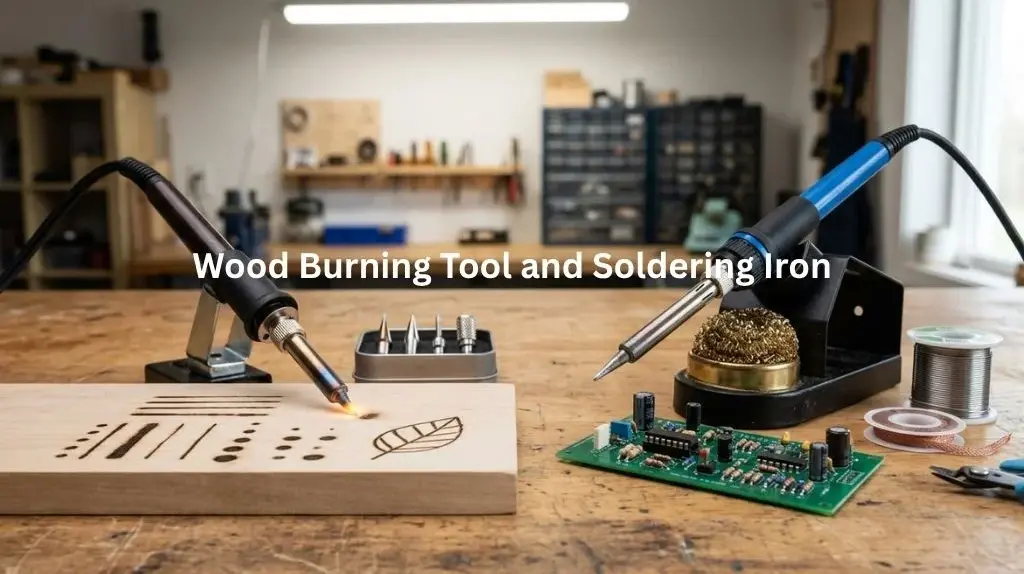
If you are staring at a hobby project and wondering whether to grab a wood burning tool vs soldering iron, you are not alone. Both tools look almost identical at first glance, but using them on a real workbench reveals two completely different worlds of heat, tips, and control.
After spending weeks melting solder and burning craft wood with both tools, I know exactly where each one fails and shines. If you want to make clean electronic joints without ruining your components, choosing the right basic soldering iron tool type is absolutely critical.
Side-by-Side Specs Comparison
Before we dive into my hands-on bench experience, let’s look at how these two tools compare on paper. While they look similar, their power ratings and tip designs serve very different tasks.
| Feature | Product 1 (Soldering Iron) | Product 2 (Wood Burning Tool) |
|---|---|---|
| Price | Budget-Friendly | Budget-Friendly |
| Wattage | 60W | 30W |
| Heat-Up Time | 45 Seconds | 3 Minutes |
| Tip Type | Thread-in Copper/Iron Clad | Screw-in Brass |
| Cord Length | 4.9 Feet | 4.5 Feet |
| Weight | 3.2 Ounces | 3.5 Ounces |
| Warranty | 1 Year | 1 Year |
These specs show a clear difference in heat delivery and startup times. The soldering iron is built for quick, concentrated heat, while the wood burner relies on slower, sustained brass tip temperatures.
Unboxing and First Impressions
When I opened the boxes at my bench, the differences were immediately obvious in the hand. Product 1, the basic soldering iron, felt light but slightly front-heavy, with a stiff power cord that immediately tried to roll the iron off its stand. Product 2, the wood burning tool, came with a massive assortment of screw-in brass tips that looked more like stamps than precision tools. There was a strong chemical off-gassing smell the first time I powered both tools on, which filled my small workspace quickly.
My first joint with the soldering iron was a bit frustrating because the tip started turning black almost instantly. I had to quickly grab some wet sponge to keep it clean, but the heat-up time was impressively fast. With the wood burning tool, I had to wait nearly three minutes before the tip was hot enough to even scorch a piece of scrap pine. The brass tip took forever to get up to temperature, but it held that heat steadily once it arrived.
Build Quality and Components
Let’s talk about how these tools are actually put together. When you are holding a tool that gets hotter than a kitchen stove, build quality is not something you want to guess at.
Housing and Grip Material: The plastic housing on the soldering iron is thin but has a nice silicone grip that keeps your fingers cool during long sessions. The wood burner has a thicker, hard plastic handle with a larger heat shield, which is necessary because the brass tips radiate so much ambient heat back toward your hand.
Tip Quality and Included Tip Count: Product 1 came with five nickel-plated copper tips that slide over a ceramic heating element, which is great for fast heat transfer. Product 2 came with over twenty screw-in solid brass tips, which are durable for carving but terrible for holding solder.
Heating Element Type: The soldering iron uses an internal ceramic heating element that heats from the inside out, making it highly efficient. The wood burner uses a simpler, wound nichrome wire element that heats the entire metal barrel, causing the handle to get noticeably warm after thirty minutes of use.
Cord or Cable Durability: Both tools suffer from stiff PVC cords that fight you as you try to position the tip on a delicate joint. I found myself fighting the cord angle on the soldering iron constantly, which made fine-pitch work a bit of a chore.
Overall Fit and Finish: While neither tool feels premium, the soldering iron has better tolerances around the heating collar. The wood burner’s screw-in tips can sometimes thread in slightly crooked, which makes precise line drawing on wood a bit tricky.
Ease of Use and Handling
Getting these tools to do what you actually want takes two completely different techniques. Here is how they felt in my hand during daily bench tasks.
The learning curve for the soldering iron is all about temperature control and timing. If you leave it sitting in the stand for too long, the tip oxidizes, and the solder starts balling up instead of flowing smoothly. You have to get used to constant cleaning and re-tinning to keep the tip shiny and usable.
The wood burning tool is much more forgiving because you do not have to worry about solder wetness. However, its grip is much thicker, which makes it feel like you are drawing with a giant marker. It is hard to do fine-detail work without your hand getting tired after twenty minutes.
If you are a beginner, the soldering iron requires more active attention to your materials. The wood burner is simpler to use out of the box because you just press it to the wood, but the physical strain on your wrist is higher due to the awkward grip angle.
Performance and Reliability Over Time
I put both of these tools through their paces for a month to see how they hold up to repeated heating cycles.
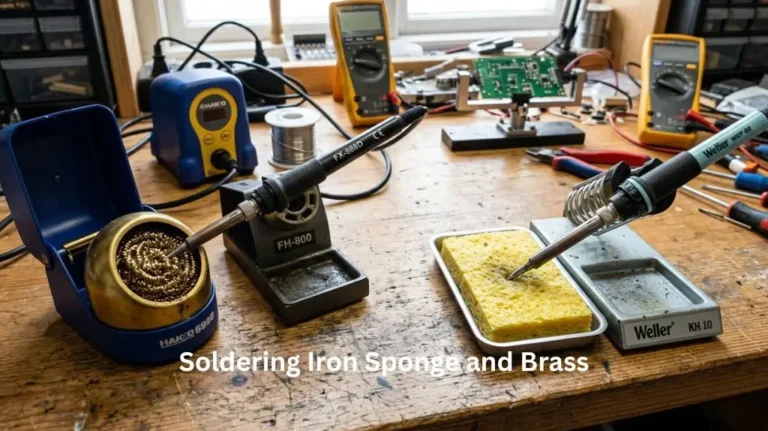
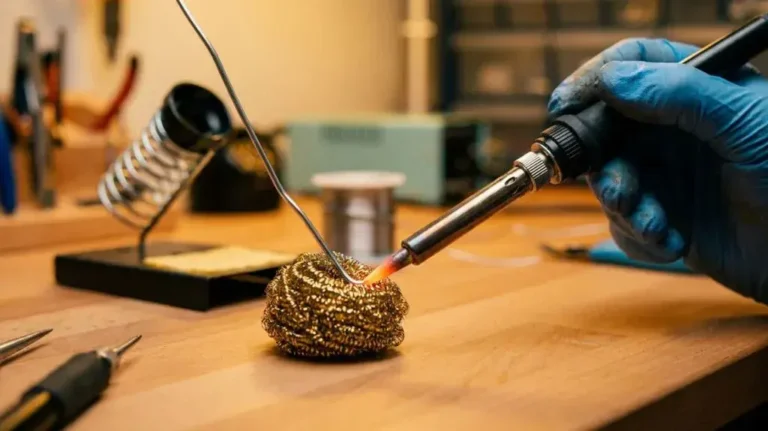
After four weeks of daily use, the soldering iron’s heating element still works perfectly, but the tips require constant care. I noticed that if I forgot to tin the tip before turning it off, the tip turned black and refused to take solder the next time. I had to use a brass sponge tip cleaner to bring it back to life, which worked far better than the cheap wet sponge included in the box.
The wood burner’s brass tips proved incredibly tough, though they did discolor to a dark rainbow hue. The main issue over time was temperature drift, as the handle got warmer and warmer, making the tool uncomfortable to hold for more than forty minutes. For repeated daily hobby use, the soldering iron felt more reliable for electronics, while the wood burner is strictly a single-task tool.
Heat-Up Time and Temperature Stability
When you are ready to work, you do not want to sit around waiting for your tool to get hot. Here is how both tools managed heat.
The soldering iron reached its working temperature of 350 degrees Celsius in just under a minute. Once hot, it held its heat well for small joints, but I noticed a slight temperature drop when trying to solder larger ground planes. The recovery time between joints was decent, taking about ten seconds to get back to full heat after a heavy joint.
The wood burner took an agonizing three minutes to get hot enough for deep wood burning. Because it lacks active temperature control, it just keeps getting hotter until it reaches its thermal limit. This lack of stability means it can easily overheat and scorch your project if you leave it resting on one spot for too long.
Design and Build Comparison
Let’s look at how these tools compare physically on a crowded workbench. Good design can prevent accidental burns and make your work session much smoother.
| Feature | Product 1 (Soldering Iron) | Product 2 (Wood Burning Tool) |
|---|---|---|
| Material | Plastic and Silicone | High-Temp Hard Plastic |
| Grip or Handling Feel | Slim and Pen-Like | Thick and Chunky |
| Label / Display Clarity | Simple Dial Markings | No Markings (On/Off Only) |
| Portability | High (Fits in Pocket) | Medium (Bulky Tips) |
| Bench Footprint | Very Small | Small |
| Overall Feel | Light and Nimble | Heavy and Solid |
The soldering iron is much easier to handle for delicate tasks because of its slim grip and light weight. The wood burner’s chunky body feels more like a heavy-duty utility tool than a precision instrument.
Fumes and Ventilation — What You’ll Notice While Working
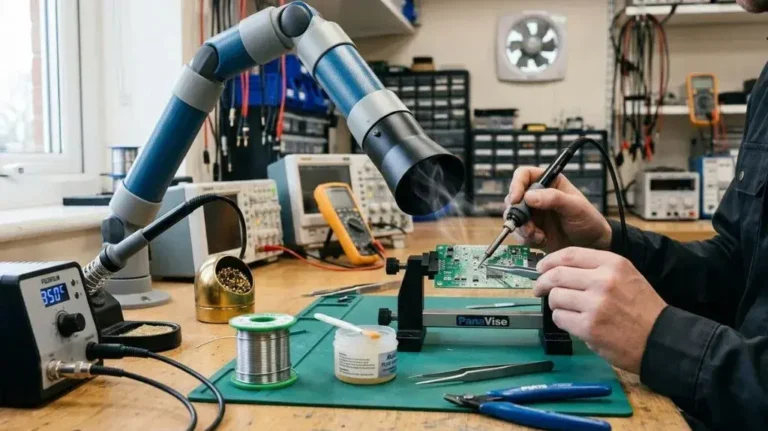
Using these tools in a small space will quickly teach you the value of good ventilation. When soldering, the flux core inside the solder wire melts and releases a thin, white smoke that stings your eyes. I found that this smoke tends to drift directly upward into your face, requiring me to blow it away constantly or use a small fan to keep my workspace clear.
The wood burning tool produces a completely different kind of smoke that smells like a campfire but can quickly become overwhelming in a closed bedroom. The wood sap and fibers release thick, heavy fumes that linger on your clothes and hair long after you turn the tool off. For both tools, working without an open window or a proper fume extractor is a recipe for a headache.
Temperature Control and Precision
Precision is everything when you are working on small circuit boards or detailed art. Let’s see how much control you actually get.
| Feature | Product 1 (Soldering Iron) | Product 2 (Wood Burning Tool) |
|---|---|---|
| Temperature Adjustability | Analog Dial (200-450C) | None (Fixed Temp) |
| Consistency Across Joints | Moderate | Low (Runs Hotter Over Time) |
| Suitable for Fine-Pitch Work | Yes (With Pointed Tip) | No (Too Bulky) |
| Recovery Speed | Moderate | Slow |
| Beginner Forgiveness | Moderate | High (Hard to Break) |
| Multi-Project Suitability | High (Electronics/Crafts) | Low (Wood/Leather Only) |
With its analog temperature dial, the soldering iron allows you to dial in the exact heat needed for delicate components. The wood burner’s fixed temperature means you have to control your results solely by how hard and how fast you press the tip against the wood.
Ease of Use and Daily Bench Routine
Integrating a tool into your daily workflow should be painless. Here is how these tools behave when you just want to get a quick job done.
| Task | Product 1 (Soldering Iron) | Product 2 (Wood Burning Tool) |
|---|---|---|
| Setup and Power-On | Fast (Under 1 Minute) | Slow (3 Minute Wait) |
| Cleanup After Use | Quick Tip Wipe | Let Cool and Unscrew Tip |
| Storage Convenience | Easy (Slim Body) | Fiddly (Many Loose Tips) |
| Travel or Portable Use | Excellent | Moderate |
| Speed of Getting to Work | High | Low |
| Maintenance Needed | High (Tip Tinning) | Low (Occasional Cleaning) |
The soldering iron is the clear winner for quick repairs because of its rapid heat-up time. The wood burning tool requires a slower, more deliberate setup that does not fit well into a rushed schedule.
Long-Term Performance and Durability
Over a month of regular use, the soldering iron showed some wear on the default chisel tip, which began to lose its shiny plating due to constant exposure to cheap flux. The cord housing near the strain relief also got a bit soft from being bent inside my storage drawer, but it never failed. I would happily keep using this iron for simple wire splices and basic repair jobs around the house, provided I keep extra tips on hand.
The wood burning tool proved to be incredibly durable because brass is a very tough material that does not suffer from the same oxidation issues as soldering tips. However, the internal heating element started to rattle slightly inside the metal tube when shaken, which makes me worry about its long-term lifespan. Even so, for occasional craft projects, the wood burner will easily last for years because it has fewer delicate parts to fail.
Price and Value for Money
Both of these tools sit in the budget category, making them highly accessible for hobbyists.
You can find both of these tools online or at local craft shops for under twenty-five dollars. The soldering iron offers better overall value for money because it can handle both simple electronics repairs and light craft work if you swap the tips. The wood burner is a great value if you specifically want to do wood art, but its lack of temperature control makes it a poor investment for any kind of electronics work.
How It Compares to Similar Products
To give you a broader perspective, let’s look at how these basic entry-level tools stack up against other common options you might find on the market.
USB-Powered Soldering Irons
These ultra-portable irons are becoming popular for quick, on-the-go fixes away from a wall outlet.
USB irons heat up incredibly fast but lack the raw wattage and thermal mass of a wall-powered tool. They are great for tiny wires but will struggle on anything larger than a simple circuit board.
Professional Wood Burning Stations
These high-end units feature wire-loop tips and independent power supplies for serious artists.
A professional wood burning station heats up in seconds and allows for incredibly fine detail work that a cheap brass-tip tool cannot touch. However, they cost significantly more and take up a lot of bench space.
Who Should Buy Which?
Here is a quick breakdown of which tool is right for your specific projects.
- Buy Product 1 (Soldering Iron) if: You want to repair broken wires, fix household electronics, need fast heat-up times, and want precise temperature control for delicate circuit boards.
- Buy Product 2 (Wood Burning Tool) if: Your primary goal is creating wood art, leather stamping, or cutting synthetic fabrics, and you do not need to work with solder.
- Consider Neither If: You plan on doing advanced surface-mount device (SMD) soldering or professional-grade wood burning, as both tasks require dedicated, temperature-regulated stations.
Long-Term Ownership Considerations
Before you buy, it is important to think about the ongoing costs and maintenance requirements of both tools.
| Part / Consumable | Product 1 (Soldering Iron) | Product 2 (Wood Burning Tool) |
|---|---|---|
| Tip Lifespan | 2 to 3 Months | 1 to 2 Years |
| Cord Wear Risk | Moderate | Low |
| Element Burnout | Rare | Rare |
Owning a basic soldering iron means you will need to budget for replacement tips and tip tinner over the course of a year. Because these budget irons run hot and lack an automatic sleep mode, tip oxidation is an ongoing battle that will eventually destroy cheap copper tips. You should expect to spend a few dollars every few months on fresh tips to keep your tool performing like new.
With the wood burner, your main ongoing cost is just the wood plaques or leather blanks you work on, as the brass tips last almost indefinitely. The strain on the power cord is the most likely failure point over time, so storing the tool without tightly wrapping the cord will help prolong its life.
Power Output and Efficiency: Wood Burning Pen vs Soldering Iron
When comparing a wood burning tool vs soldering iron, wattage ratings can be highly misleading. The soldering iron uses its 60-watt heating element to quickly dump heat into a joint and recover fast, making it highly efficient for intermittent use. This high power output ensures that you do not have to hold the iron against a delicate chip for more than a few seconds, preventing heat damage to the board.
The wood burning tool often runs at a lower wattage, around 30 watts, but it holds onto that heat because of the thick brass tips. This makes it highly efficient at maintaining a constant, scorching temperature for drawing long lines on wood without cooling down mid-stroke. However, this lower power output means it takes much longer to warm up initially, drawing more idle energy from your wall outlet before you can even begin working.
FAQs About Wood Burning Tool vs Soldering Iron
What is the main difference between a wood burning tool and a soldering iron?
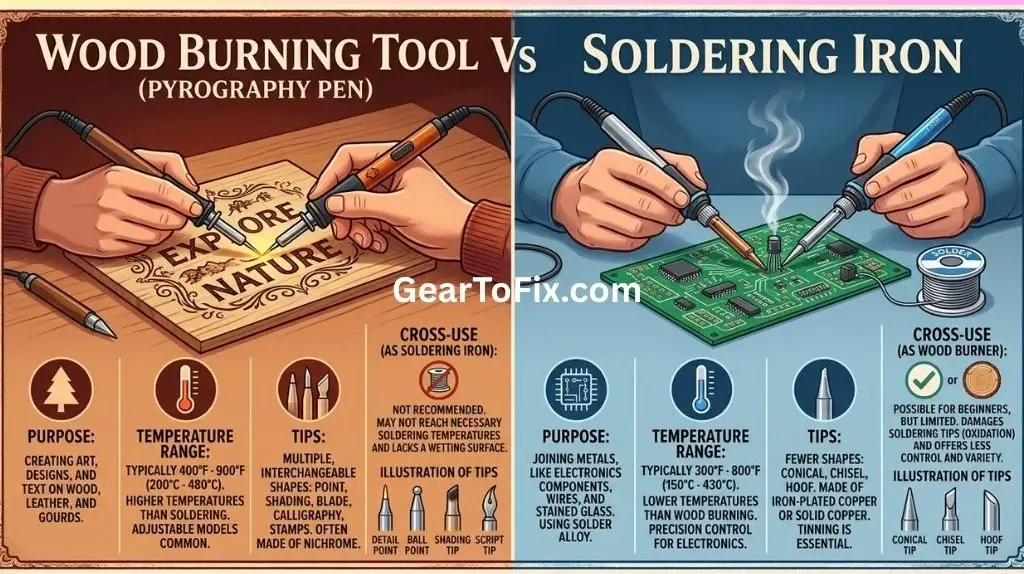
A wood burning tool is designed to apply controlled heat to wood and create decorative or artistic marks, while a soldering iron is designed primarily to melt solder for electrical and electronic connections.
Can you use a soldering iron for wood burning?
A soldering iron can burn or mark wood because it produces heat, but it is not specifically designed for pyrography. A wood burning tool generally offers tip options and features better suited to woodcraft.
Can a wood burning tool be used for soldering electronics?
A wood burning tool is generally not suitable for electronics because its tip design and temperature characteristics may not provide the precision needed for reliable solder joints.
Which tool gets hotter, a wood burning tool or soldering iron?
The operating temperature varies by model. Both can reach temperatures high enough to melt or burn materials, but their temperature ranges and heat delivery are designed around different applications.
Are wood burning tips different from soldering iron tips?
Yes. Wood burning tools commonly use specialized tips for creating lines, shading, textures, and patterns in wood, while soldering irons use tips designed to transfer heat efficiently to solder joints.
Can a wood burning Kit replace a soldering iron?
No. Although both are heated tools, they are designed for different purposes. A soldering iron is intended for soldering electrical connections, while a wood burning kit is primarily intended for pyrography and woodcraft.
Final Verdict
After weeks of testing, the clear winner for general bench utility is the basic soldering iron. Its fast heat-up time, adjustable temperature dial, and lightweight design make it a versatile tool for both minor repairs and light crafting.
The wood burning tool is a fantastic, durable instrument for its specific niche, but it is far too clunky and slow for electronics. Choose the soldering iron for versatility, and grab the wood burner only if you plan to dedicate your time to wood art.

Scott Yarnell is a tool expert focused on practical guides, product research, and real-world tool performance to help readers make informed decisions.