What Is Lead-Free Solder Wire: Benefits And Uses
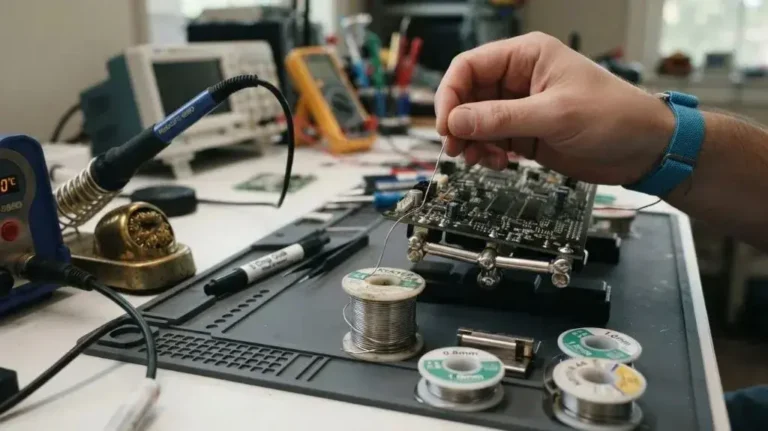
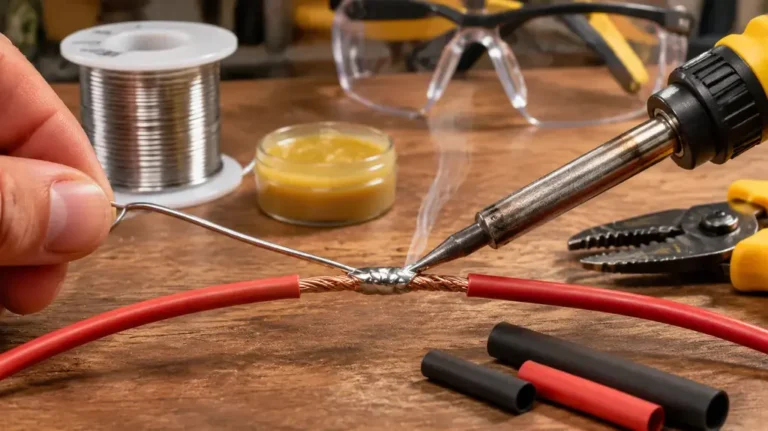
Lead-free solder wire is a metal alloy used to join electrical components without intentionally adding lead. It is fed into a heated joint, where it melts, flows over the metal surfaces, and forms an electrical and mechanical connection as it cools.
The wire may contain a flux core that helps clean the surfaces during soldering. Lead-free solder is common in electronics manufacturing and repair, but it generally melts at a higher temperature than traditional leaded solder and can feel less forgiving to work with. The alloy and flux type affect how it behaves, so choosing the right wire depends on the application.
What Lead-Free Solder Wire Is Made Of
Lead-free solder is usually based on tin, combined with one or more other metals. Common formulations include:
- Tin-copper (Sn-Cu): Often used for general soldering and some production applications.
- Tin-silver-copper (SAC): A widely used family of lead-free alloys for electronics.
- Tin-silver: Used in some applications where its particular properties are suitable.
- Other tin-based alloys: Formulations may include metals such as bismuth or antimony for specific purposes.
The exact mixture affects the solder’s melting behavior, flow, strength, and suitability for a particular job. “Lead-free” describes the formulation’s intended composition; it does not necessarily mean the material contains absolutely no trace lead. Applicable limits and requirements can vary by product and jurisdiction.
The flux inside solder wire
Many solder wires are flux-cored, meaning they contain a narrow channel of flux inside the metal. Flux helps remove or disrupt surface oxides so molten solder can spread and bond to clean metal. It also helps the joint form reliably.
Flux types include rosin-based and no-clean formulations. Their residue and cleaning requirements differ, so follow the product instructions. Acid-core solder, often intended for plumbing or other non-electronic work, should not be used on circuit boards because its residues can corrode components and connections.
How Lead-Free Solder Wire Works
When the wire touches a sufficiently heated joint, the alloy melts. Flux helps the molten solder wet the metal surfaces, meaning it spreads across them rather than gathering into a bead. After the joint cools, the solid solder connects the parts.
The iron heats the joint; the solder wire itself is not an adhesive. A sound connection depends on clean, compatible surfaces and enough heat reaching the joint—not simply on melting a large amount of solder onto it.
Where It Is Used
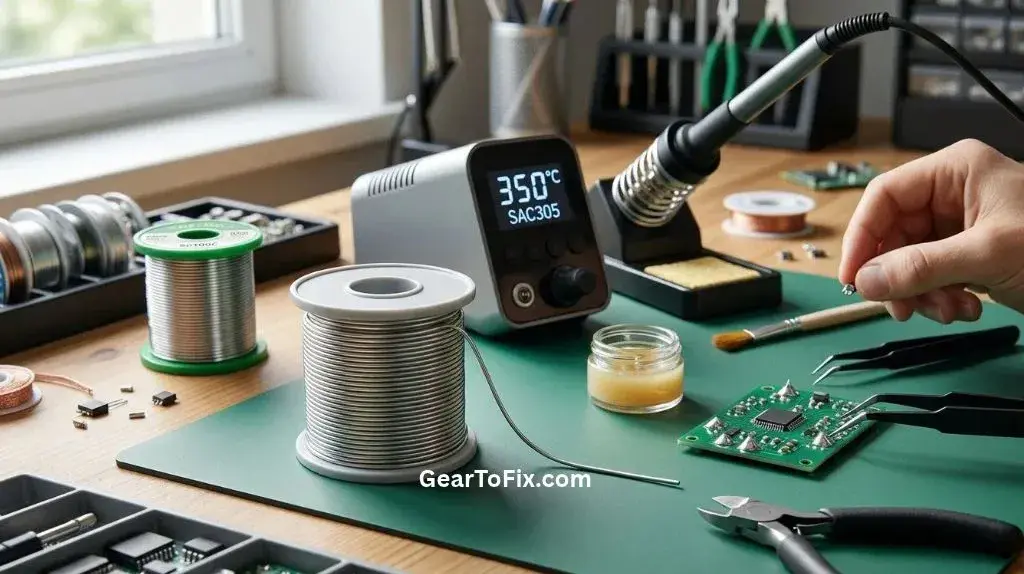
Lead-free solder wire is commonly used for:
- Assembling and repairing electronic circuit boards
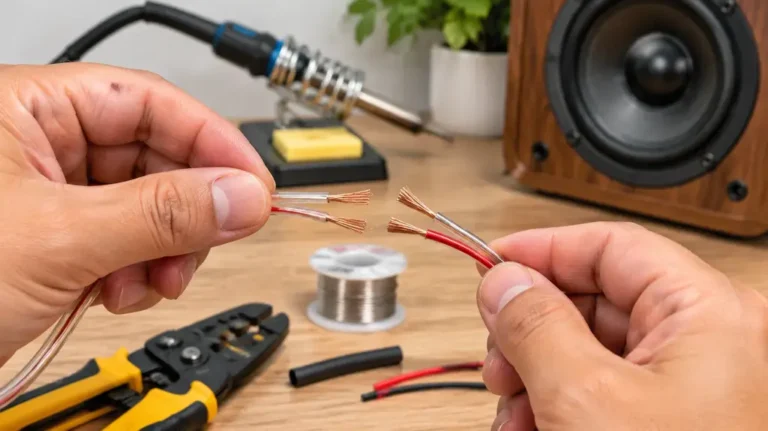
- Connecting wires to terminals and components
- General electronic hobby and bench work
- Manufacturing products designed to meet lead-restriction requirements
Not every solder wire is suitable for every job. Electronics solder is not automatically appropriate for plumbing, jewelry, stained glass, or other metalwork. Match the alloy and flux to the materials and application. For plumbing, use a solder specifically labeled for the intended plumbing work and follow applicable local requirements.
Lead-Free vs. Leaded Solder
The main difference is the alloy. Traditional leaded solder contains lead; lead-free solder replaces it with other metals. That change affects how the solder melts and behaves during assembly or repair.
| Feature | Lead-free solder | Leaded solder |
|---|---|---|
| Composition | Tin-based alloy without intentionally added lead | Alloy containing lead, commonly with tin |
| Melting behavior | Usually requires a higher temperature; varies by alloy | Often melts at a lower temperature |
| Handling | May need more careful heat and technique control | Often flows readily and can be easier to use |
| Use considerations | Common in products designed to meet lead restrictions | May be restricted in some applications or locations |
| Safety | Avoid inhaling flux fumes and wash hands after handling | Requires additional care because lead is hazardous |
A higher melting point does not mean the iron should simply be set as hot as possible. Excessive heat can damage pads, insulation, or components. Use a suitable tip and a controlled temperature appropriate for the alloy, joint size, and equipment.
Choosing Lead-Free Solder Wire
Consider these factors before selecting a spool:
- Application: Confirm that the alloy is intended for electronics or the specific work you are doing.
- Alloy: Different mixtures have different melting and flow characteristics. Check the product information rather than assuming all lead-free solder behaves alike.
- Wire diameter: Fine wire gives better control on small connections; thicker wire can deliver solder more quickly to larger joints.
- Flux type: Choose a flux core suitable for the materials and work area. Check whether residue should be cleaned.
- Joint requirements: Some repairs require matching the type of solder already used or following a manufacturer’s process. Avoid mixing alloys casually when the final result must meet a particular specification.
Tips for Working With Lead-Free Solder
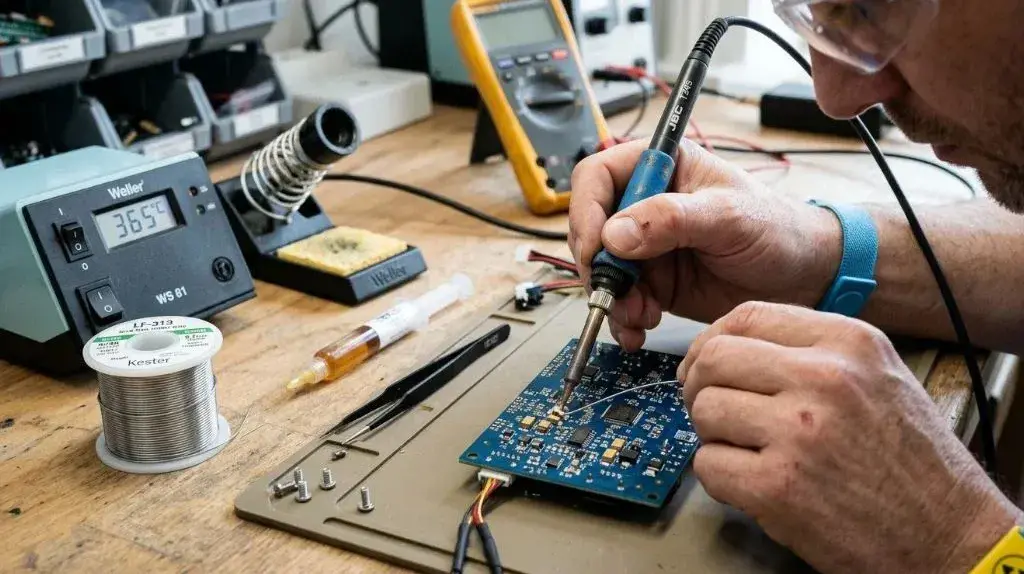
Lead-free solder can be used with many ordinary soldering stations, but results depend on the tool, tip, joint, and alloy. These practices help make the work more consistent:
- Clean and prepare the joint. Remove dirt and old residue as appropriate. Solder does not reliably bond to contaminated or heavily oxidized surfaces.
- Use a tip that suits the joint. A very small tip may transfer heat poorly to a larger connection, while an oversized tip can be difficult to control on fine work.
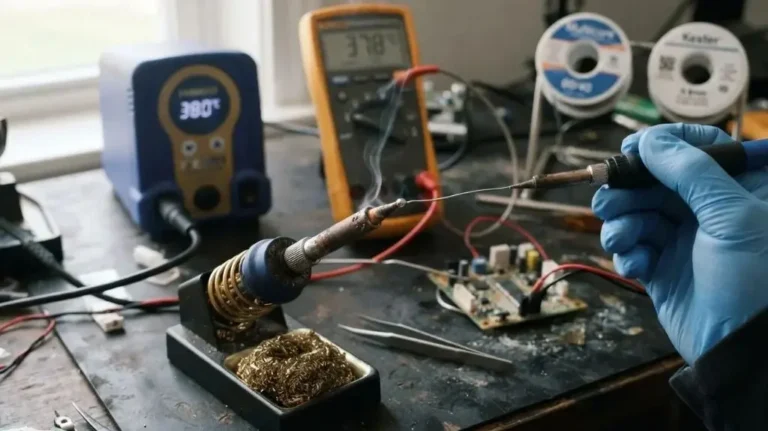
- Heat the joint, not just the wire. Place the tip so it contacts both connected surfaces, then feed solder into the heated joint.
- Use enough solder to cover the connection. A good joint should wet the surfaces without leaving an excessive blob or loose strands.
- Allow the joint to cool without movement. Shifting a connection while the solder solidifies can interfere with the joint.
- Check the result. Look for incomplete coverage, unintended bridges between nearby contacts, or movement in the connected parts. Appearance alone cannot prove electrical reliability, but visible defects should be corrected.
The correct iron setting varies with the alloy, tool, tip, and joint. Follow the solder and equipment manufacturers’ guidance when available.
Safety and Handling
Lead-free solder avoids intentionally adding lead to the alloy, but that does not make soldering risk-free. Heating solder and flux can produce fumes, particularly from the flux. Work with good ventilation and avoid breathing the fumes directly. Wash your hands after handling solder, and keep food and drink away from the work area.
Use a stable stand for the hot iron, keep its tip away from flammable materials, and let the tool cool before storing it. If solder or flux contacts skin or eyes, follow the product’s safety instructions.
FAQs About What Is Lead-Free Solder Wire
Is lead-free solder wire safe to use?
It avoids intentionally adding lead to the solder alloy, but fumes from heated flux can still be irritating or harmful. Use ventilation, avoid breathing the fumes, and follow the product’s handling instructions.
Does lead-free solder require a special soldering iron?
Usually not. Many standard soldering stations can work with lead-free solder, but the tool must transfer enough heat for the particular joint. Temperature control and a suitable tip can make the work easier.
Can I use lead-free solder on an old circuit board?
Often, but repairs can be more challenging if the board was originally assembled with a different alloy or if its pads are delicate. Use a suitable technique and avoid prolonged heating. For specialized equipment, follow the repair instructions if available.
Does lead-free solder wire always have a flux core?
No. Some solder wire is flux-cored, while other wire may require flux to be applied separately. Check the product label before using it.
Can electronics solder be used for plumbing?
Not by default. Electronics solder and plumbing solder may use different alloys and fluxes. Use a product specifically intended for the plumbing application and follow local requirements.
Final Verdict
Lead-free solder wire is a tin-based alloy used to make soldered connections without intentionally adding lead. Its composition, flux, and wire size determine how it behaves, and it often needs more careful heat control than leaded solder. Choose wire intended for the job, work with ventilation, and heat the joint evenly rather than relying on excess solder or excessive iron temperature.

Scott Yarnell is a tool expert focused on practical guides, product research, and real-world tool performance to help readers make informed decisions.