What Is Silver-Bearing Solder Wire: Uses & Benefits
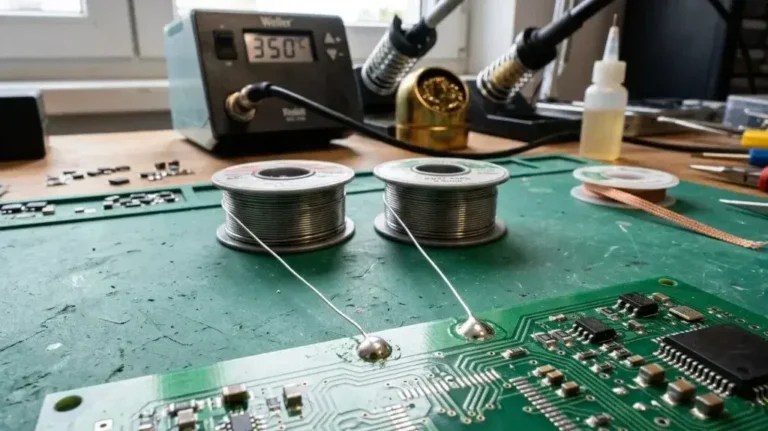
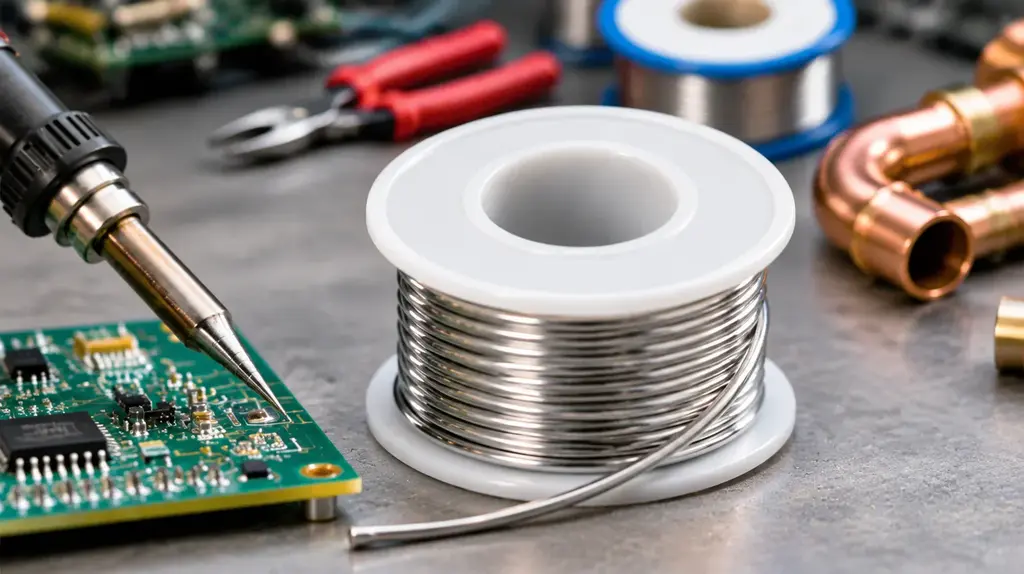
Silver-bearing solder wire is a type of soldering material that contains silver as part of its alloy composition. It is used to create reliable metal-to-metal joints in applications such as electronics, electrical connections, plumbing, and certain repair work.
Unlike ordinary solder wire, silver-bearing solder includes a percentage of silver that can influence its melting behavior, strength, wetting characteristics, and suitability for specific applications. However, its actual properties depend on the complete alloy composition, not silver content alone.
Understanding how silver-bearing solder wire works, where it is used, and how it differs from other solder types helps determine whether it is appropriate for a particular job.
What Is Silver-Bearing Solder Wire?
Silver-bearing solder wire is a metal joining material made from an alloy containing silver and other metals, commonly tin and copper. It melts when heated and flows into the joint between two compatible metal surfaces. After cooling, it solidifies to create an electrical or mechanical connection.
The amount of silver varies between formulations. Some electronic solder alloys contain approximately 2% to 4% silver, while certain plumbing solders contain much smaller percentages. Other formulations may use different combinations of tin, copper, bismuth, or lead.
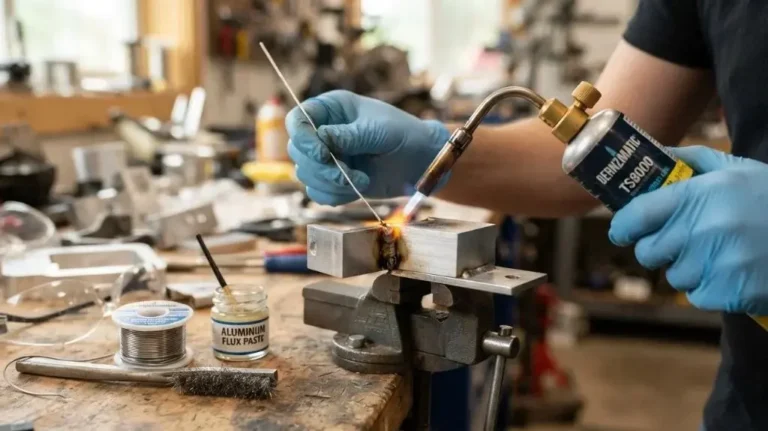
Silver-bearing solder is generally classified as soft solder when its filler metal has a liquidus temperature of 450°C (842°F) or below. This distinguishes it from silver brazing alloys, which operate at higher temperatures.
What Metals Are Used in Silver-Bearing Solder Wire?
The composition of silver-bearing solder wire determines how it melts, flows, bonds, and performs under different conditions. Manufacturers formulate different alloys for specific applications.
1. Silver (Ag)
Silver is added to the alloy to modify its physical and working properties. In certain electronic applications, silver-containing solder is particularly useful when joining silver-plated component leads because it can help reduce silver dissolution into the molten solder.
2. Tin (Sn)
Tin is a major component of many silver-bearing solder alloys. It provides the main soldering material and helps the molten alloy wet compatible metal surfaces.
3. Copper (Cu)
Copper is commonly added to lead-free solder formulations. Its presence influences the alloy’s melting behavior and interaction with copper surfaces.
4. Other Alloying Elements
Depending on the application, manufacturers may include other elements such as bismuth, zinc, or lead. These additions can change melting characteristics, strength, flow behavior, and other properties.
Common Silver-Bearing Solder Wire Compositions
There is no single universal formula for silver-bearing solder wire. Different industries use different alloy compositions to meet their joining requirements.
| Alloy Type | Typical Composition | Common Application |
|---|---|---|
| Sn96.5Ag3.0Cu0.5 | 96.5% tin, 3% silver, 0.5% copper | Electronics and PCB assembly |
| Sn62Pb36Ag2 | 62% tin, 36% lead, 2% silver | Specialized electronic soldering |
| Silver-bearing plumbing solder | Formulations vary; may contain tin, copper, silver, and other elements | Copper pipe and plumbing connections |
These are examples rather than universal specifications. Always check the manufacturer’s technical data sheet for the exact composition, melting range, and intended application.
How Does Silver-Bearing Solder Wire Work?
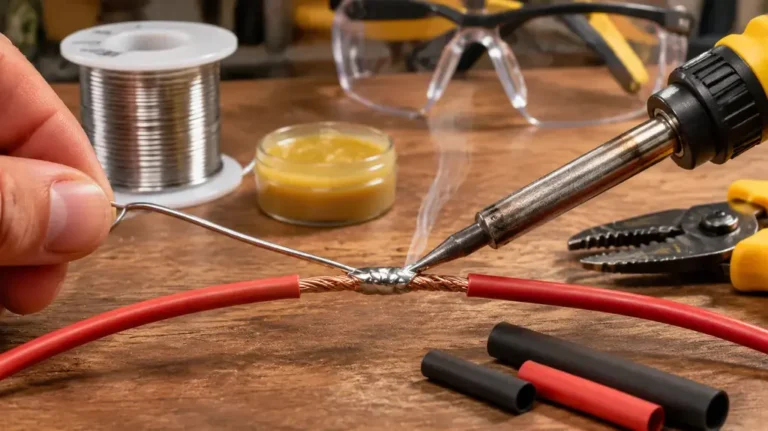
Silver-bearing solder wire works by melting and flowing across prepared metal surfaces. When the solder cools, it forms a solid joint that connects the components.
The process involves several stages:
- Surface preparation: The metal surfaces are cleaned to remove dirt, grease, and oxidation that could interfere with bonding.
- Flux application: Suitable flux helps remove or prevent surface oxides and improves solder wetting.
- Heating: A soldering iron or appropriate heating equipment raises the joint temperature to the required working range.
- Solder melting: The solder wire melts when it contacts the sufficiently heated joint.
- Wetting and flow: The molten alloy spreads over compatible surfaces and fills the joint gap through wetting and capillary action where appropriate.
- Cooling: The solder solidifies and forms the finished connection.
Successful soldering depends on proper surface preparation, compatible materials, suitable flux, and controlled heating. Simply adding more solder does not compensate for a poorly prepared or inadequately heated joint.
What Is Silver-Bearing Solder Wire Used For?
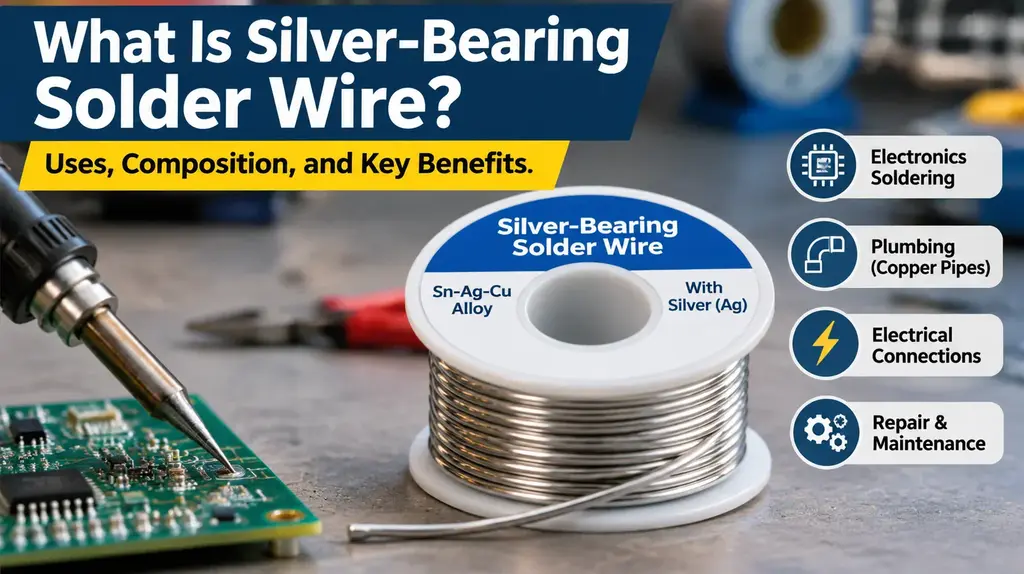
Silver-bearing solder wire is used in several industries. The appropriate formulation depends on the materials being joined and the mechanical, electrical, and environmental requirements of the application.
1. Electronics and Circuit Board Assembly
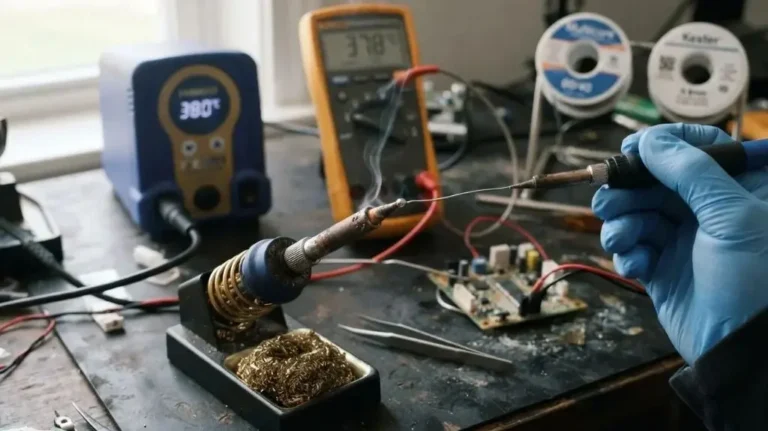
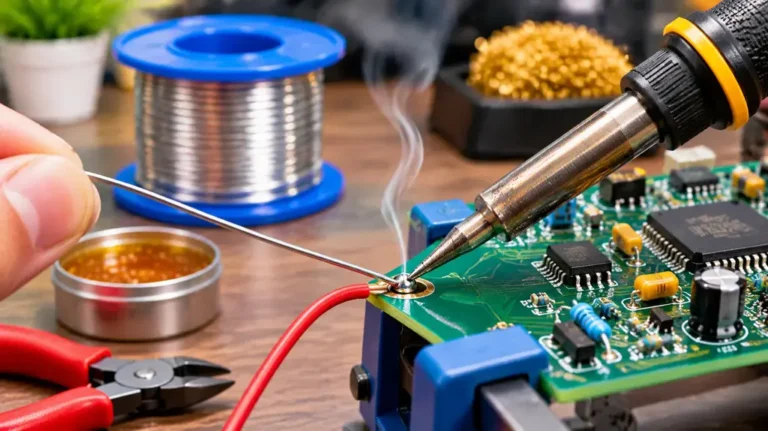
Silver-bearing solder wire is used in certain electronic assembly and repair applications. It can be suitable for soldering component leads, terminals, connectors, and printed circuit board connections when the alloy is compatible with the components and board materials.
Some formulations are designed for lead-free electronics manufacturing, while others contain lead and are intended for specific applications where their use is permitted.
2. Electrical Connections
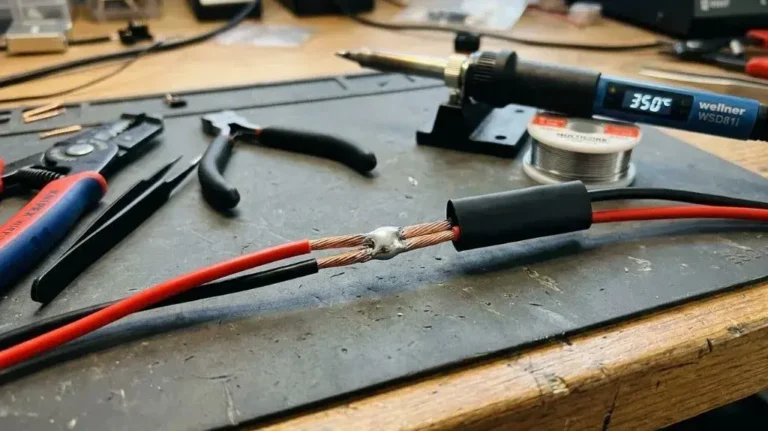
Silver-bearing solder can be used for selected electrical connections involving wires, terminals, and conductive components. The solder alloy must provide suitable electrical and mechanical properties for the application.
For critical electrical connections, soldering should follow the equipment manufacturer’s requirements. A soldered joint is not automatically suitable for every high-current or high-vibration application.
3. Plumbing and Copper Pipe Connections
Silver-bearing plumbing solder is used to join compatible copper pipes and fittings. Lead-free formulations are available for potable water plumbing systems.
These products are designed for specific plumbing requirements. Their suitability depends on the manufacturer’s specifications and applicable plumbing regulations.
4. HVAC and Refrigeration Applications
Some silver-bearing soft solder formulations may be suitable for selected HVAC-related joining tasks. However, refrigeration tubing and pressure-containing connections often require brazing rather than ordinary soft soldering.
The joining method must meet the equipment manufacturer’s specifications and applicable pressure-system requirements.
5. Metal Repair and Maintenance
Silver-bearing solder may also be used for selected metal repair, coating, and joining applications. The base metals must be compatible with the solder alloy, and the correct flux and heating method must be selected.
What Are the Benefits of Silver-Bearing Solder Wire?
Silver-bearing solder offers several potential advantages, although the results depend on the alloy formulation and application.
- Suitable joint characteristics: Certain silver-containing alloys provide useful mechanical and electrical joint properties.
- Improved compatibility with silver-plated components: Specific electronic formulations help reduce excessive silver dissolution from plated leads.
- Lead-free options: Many silver-bearing solder products are available without intentionally added lead.
- Different melting characteristics: Alloy composition can be selected to meet particular temperature and processing requirements.
- Versatile applications: Different formulations are available for electronics, plumbing, and industrial joining tasks.
- Controlled solder flow: Properly selected alloys and flux systems can provide suitable wetting and flow characteristics.
These benefits should not be assumed for every silver-bearing solder product. A product’s technical data sheet is the best source for its actual performance characteristics.
Silver-Bearing Solder Wire vs. Regular Solder Wire
The main difference is the alloy composition. Regular solder wire may contain tin and lead or use a lead-free tin-based alloy without silver. Silver-bearing solder includes silver as an alloying element.
| Feature | Regular Solder Wire | Silver-Bearing Solder Wire |
|---|---|---|
| Composition | Varies by alloy | Contains silver and other metals |
| Melting Range | Depends on composition | Depends on composition |
| Applications | General soldering | Specialized electronics, plumbing, and other joining tasks |
| Lead Content | May be leaded or lead-free | May also be leaded or lead-free |
| Cost | Depends on formulation | May cost more because of silver content |
| Performance | Depends on the selected alloy | Depends on the selected silver-bearing alloy |
Silver-bearing solder is not automatically stronger or better than regular solder. The correct choice depends on the materials, operating conditions, and required joint properties.
Silver-Bearing Solder vs. Silver Solder: What Is the Difference?
Silver-bearing solder and silver solder are often confused because their names sound similar. However, they can refer to different joining materials and processes.
Silver-bearing solder usually refers to a soft solder alloy containing silver, commonly combined with tin and sometimes copper. It is used at relatively low soldering temperatures.
Traditional silver solder often refers to a silver-based brazing filler metal containing silver and other metals such as copper and zinc. These materials operate at substantially higher temperatures and are used for brazing metal components.
| Characteristic | Silver-Bearing Solder | Silver Brazing Alloy |
|---|---|---|
| Joining Process | Soft soldering | Brazing |
| Silver Content | Usually a relatively small percentage | Often a substantially higher percentage |
| Liquidus Temperature | 450°C or below | Above 450°C |
| Typical Equipment | Soldering iron or suitable torch | Suitable brazing torch or specialized heating equipment |
| Common Applications | Electronics and plumbing | Metal fabrication, tubing, and specialized repairs |
The distinction matters because soft soldering and brazing require different filler metals, temperatures, equipment, and procedures. Always identify the actual alloy rather than relying on the product’s informal name.
How to Choose the Right Silver-Bearing Solder Wire
Selecting the correct solder wire requires more than checking its silver content. Consider the following factors before choosing a formulation.
1. Intended Application
Determine whether the solder will be used for electronics, plumbing, electrical connections, or industrial metalwork. A plumbing solder should not automatically be used for delicate circuit board assembly.
2. Alloy Composition
Check the percentages of tin, silver, copper, lead, and other elements. The composition determines the solder’s melting behavior and other working characteristics.
3. Melting Temperature
Check both the solidus and liquidus temperatures when the manufacturer provides them. The solidus is the temperature at which melting begins, while the liquidus is the temperature at which the alloy becomes fully liquid.
4. Flux Compatibility
Some solder wires contain a flux core, while others are supplied without flux. Choose a compatible flux system for the base metals and application. Plumbing and electronics fluxes are not necessarily interchangeable.
5. Wire Diameter
Wire diameter affects how much solder is delivered at a time. Smaller diameters are generally easier to control for fine electronic connections, while larger diameters may be useful for larger joints.
6. Regulatory Requirements
For plumbing, electronics, and other regulated applications, check the relevant product approvals and local requirements. Lead-free labeling alone does not establish suitability for every application.
Common Problems When Using Silver-Bearing Solder Wire
Even a suitable solder alloy can produce poor results when the joint is not prepared or heated correctly.
| Problem | Possible Cause | Practical Solution |
|---|---|---|
| Solder does not spread | Oxidized or contaminated surfaces | Clean the surfaces and use compatible flux |
| Poor joint formation | Insufficient heating or unsuitable alloy | Check the heating method and alloy specifications |
| Excessive solder buildup | Too much solder applied | Control the amount of solder delivered |
| Corrosion after soldering | Incompatible or improperly cleaned flux residue | Follow the flux manufacturer’s cleaning instructions |
| Damaged components | Excessive heating or prolonged heat exposure | Use an appropriate controlled heating process |
Safety Precautions When Using Silver-Bearing Solder Wire
Soldering involves heat, molten metal, and potentially hazardous flux fumes. Following basic safety practices helps reduce exposure and prevent injuries.
- Work in a well-ventilated area or use suitable local fume extraction.
- Wear appropriate eye protection when soldering.
- Avoid touching molten solder or heated metal surfaces.
- Use a suitable soldering stand for hot tools.
- Check whether the solder contains lead or other hazardous substances.
- Follow the safety data sheet (SDS) for the solder and flux.
- Wash your hands after handling solder, particularly lead-containing products.
- Keep soldering equipment away from flammable materials.
For potable water systems, use only solder and flux products that meet the applicable drinking-water requirements. Never assume that a product is suitable simply because it contains silver or is labeled lead-free.
Frequently Asked Questions
Is silver-bearing solder wire lead-free?
Not always. Some silver-bearing solder alloys are lead-free, while others contain lead. Check the alloy composition and manufacturer’s labeling before use.
Is silver-bearing solder stronger than regular solder?
It can provide useful mechanical properties, but it is not automatically stronger. Joint strength depends on the alloy composition, base metals, joint design, surface preparation, and soldering process.
Can silver-bearing solder wire be used for electronics?
Yes. Certain silver-bearing solder alloys are specifically formulated for electronic assembly and repair. However, the alloy, flux, melting range, and component temperature limits must be compatible with the application.
Does silver-bearing solder require flux?
Usually, an appropriate flux is required to help remove surface oxides and improve wetting. Some wire products contain a flux core, while others require separately applied flux.
Can silver-bearing solder be used on copper pipes?
Yes. Certain silver-bearing plumbing solder formulations are designed for copper pipe and compatible fittings. For drinking-water systems, select products that meet the applicable local plumbing and potable-water requirements.
Is silver-bearing solder the same as silver brazing wire?
No. Silver-bearing solder is generally a soft soldering alloy, while silver brazing wire is a higher-temperature filler metal used in brazing. Their temperatures, applications, and equipment requirements are different.
Final Takeaway
Silver-bearing solder wire is a specialized soldering material that combines silver with other metals to produce alloys suitable for different joining applications. Depending on its formulation, it can be used in electronics, plumbing, electrical connections, and selected industrial repairs.
The most important consideration is choosing an alloy that matches the base materials, required melting range, flux system, and working conditions. Silver content alone does not determine whether a solder is suitable or superior.
Before starting a project, check the manufacturer’s technical data sheet and safety information. Choosing the correct formulation and following the recommended soldering procedure will help produce a reliable joint.

Scott Yarnell is a tool expert focused on practical guides, product research, and real-world tool performance to help readers make informed decisions.