Can A Soldering Iron Get Too Hot: The Real Truth
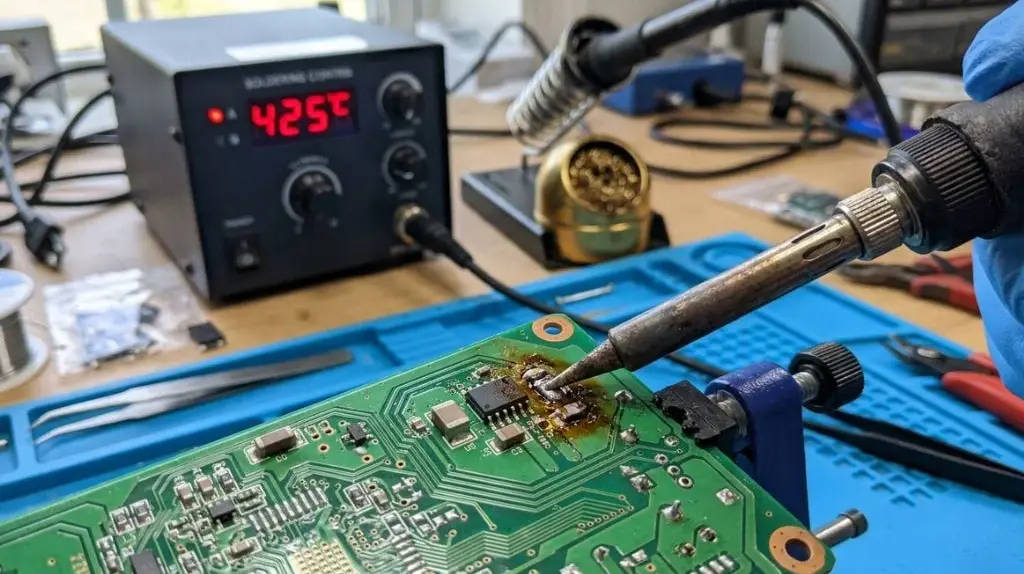
Yes, a soldering iron can get too hot. While heat is necessary to melt solder and create a secure joint, excessive temperatures can damage your tools, ruin your workpieces, and present significant safety hazards.
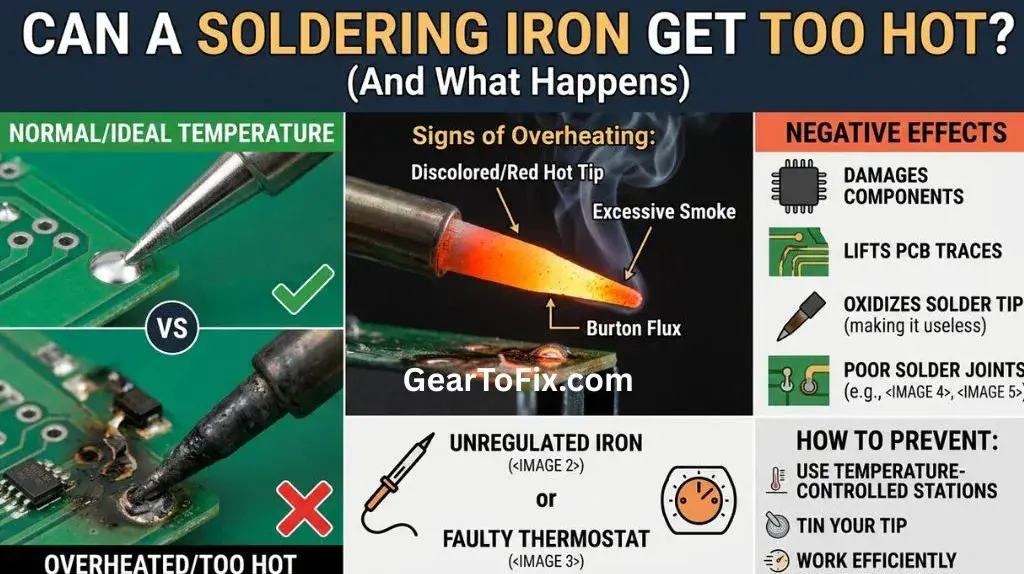
When a soldering iron overheats, it quickly burns off flux, oxidizes the tip, and can lift delicate copper traces from circuit boards. Understanding why a soldering iron overheats, how to recognize the warning signs, and how to control the temperature is vital for achieving clean, reliable connections.
What Happens When a Soldering Iron Gets Too Hot?
Applying too much heat to a soldering joint leads to a chain reaction of failures. The most common consequences of an overheated soldering iron impact both the tool itself and the electronics you are working on.
Rapid Tip Oxidation
A soldering tip relies on a thin layer of molten solder (known as tinning) to transfer heat efficiently. When the iron gets too hot, this protective solder layer oxidizes almost instantly, turning dark grey or black. Once a tip is heavily oxidized, it loses its ability to transfer heat, making it incredibly difficult to melt solder, even though the iron itself is extremely hot.
Delamination of Printed Circuit Boards (PCBs)
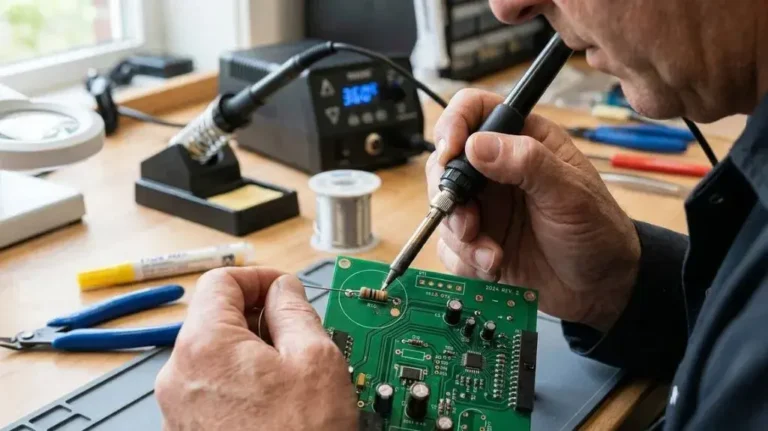
The copper pads and traces on a circuit board are held in place by a temperature-sensitive adhesive. If the soldering iron is too hot, this adhesive fails. The copper pad will lift away from the fiberglass substrate, a problem known as delamination. Once a pad lifts or tears, repairing the circuit board becomes much more difficult.
Heat Damage to Components
Delicate electronic components, such as integrated circuits (ICs), transistors, diodes, and capacitors, have strict thermal limits. Excessive heat traveling up the component leads can permanently destroy the internal silicon junctions of semiconductors or cause plastic casings to melt.
Poor Joint Quality
For a solder joint to form a strong metallurgical bond, the flux inside the solder must clean the metal surfaces. If the iron is too hot, the flux burns away instantly with a puff of smoke before it can clean the joint. This results in dry, dull, and brittle solder joints that are prone to cracking and electrical failure.
How to Tell If Your Soldering Iron Is Overheating
Recognizing the warning signs of an overheated soldering iron allows you to adjust the temperature before causing permanent damage.
| Indicator | Normal Temperature (320°C – 380°C / 600°F – 720°F) | Overheated (Above 425°C / 800°F) |
|---|---|---|
| Solder Behavior | Melts smoothly, flows quickly, and clings to the tip. | Balls up, rolls off the tip, or turns sluggish. |
| Flux Reaction | Sizzles gently and releases a small amount of light smoke. | Vaporizes instantly with a loud pop and dark smoke. |
| Tip Appearance | Shiny, silver, and wet-looking. | Dull grey, black, or deep purple/blue hues on the metal. |
| Solder Joint | Smooth, shiny (lead-based), or slightly satin (lead-free) concave fillet. | Dull, grainy, pitted, or clumped like a cold joint. |
Primary Causes of an Overheated Soldering Iron
Soldering irons overheat for several distinct reasons, ranging from the design of the tool to user error.
- Lack of Temperature Regulation: Cheap, unregulated “fire-and-forget” soldering irons do not have thermostats. They continuously draw power and will keep heating up until they reach their thermal limit, which is often far hotter than necessary for standard electronics.
- Incorrect Station Settings: On adjustable soldering stations, setting the temperature dial too high for the specific solder type being used is a frequent mistake. Lead-based solders melt at lower temperatures than lead-free formulations, yet users often crank the heat up to maximum out of impatience.
- Faulty Thermocouple or Sensor: Temperature-controlled soldering stations rely on an internal sensor (thermocouple) near the tip to monitor the heat. If this sensor fails, or if the control board malfunctions, the station may misread the tip temperature and continuously pump power into the heating element, causing thermal runaway.
- Leaving the Iron Idle: Leaving a soldering iron turned on and sitting in its stand for long periods without use allows heat to build up continuously. Without the heat-sinking effect of melting solder onto a joint, the tip temperature can spike, accelerating oxidation.
How to Control and Prevent Excess Heat
Preventing your soldering iron from getting too hot is straightforward once you adopt the right habits and use appropriate equipment.
Use a Temperature-Controlled Soldering Station
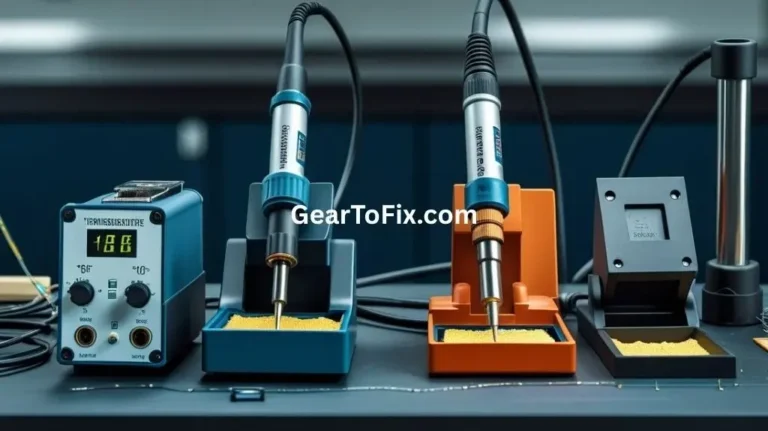
If you are still using a basic pen-style iron that plugs directly into a wall outlet, upgrade to a temperature-controlled soldering station. These units allow you to dial in a specific temperature and utilize feedback loops to maintain that exact heat level, preventing thermal spikes.
Match Temperature to Your Solder Type
Adjust your iron to the lowest effective temperature that still allows the solder to flow smoothly within two to three seconds of contact.
- Lead-based solder (60/40 or 63/37): Typically requires a tip temperature of 320°C to 340°C (600°F to 650°F).
- Lead-free solder (SAC305 or similar): Typically requires a tip temperature of 350°C to 380°C (660°F to 715°F) due to its higher melting point.
Clean and Tin the Tip Regularly
Keep a thin layer of fresh solder on the tip at all times. Tinning protects the tip from oxygen and prevents the metal from burning. Use a brass wire sponge rather than a wet cellulose sponge to clean the tip; wet sponges cause rapid temperature drops that stress the metal and can degrade the heating element over time.
Turn Off the Iron When Idle
If you plan to step away from your workbench for more than five minutes, turn off the soldering iron or put it into “sleep” mode if your station supports it. This preserves the life of both the heating element and the tip.
FAQs About Can A Soldering Iron Get Too Hot?
1. Can a soldering iron get too hot?
Yes. A soldering iron can operate at a temperature higher than necessary for a particular soldering task, which can increase the risk of damage.
2. What happens if a soldering iron is too hot?
Excessive heat can accelerate tip oxidation, burn flux, damage components, lift PCB pads, and contribute to poor soldering results.
3. Can high heat damage a soldering iron tip?
Yes. Prolonged exposure to excessive temperatures can increase oxidation and shorten the useful life of the tip.
4. How can I tell if my soldering iron temperature is too high?
Signs can include rapidly burning flux, excessive oxidation, solder behaving poorly, or heat-sensitive components becoming damaged during normal soldering.
5. What temperature is too hot for electronics soldering?
There is no single temperature that is too hot for every electronics task. The appropriate setting depends on the solder alloy, components, PCB, joint size, and tip being used.
6. How can I avoid overheating components while soldering?
Use an appropriate temperature, a suitable tip, proper heat transfer, and controlled contact time. Avoid keeping the heated tip on a component or pad longer than necessary.
Final Takeaway
A soldering iron can easily get too hot, and running your iron at excessive temperatures is one of the most common causes of failed solder joints and damaged equipment. More heat does not equate to faster or better soldering. Instead, rely on a temperature-regulated iron, set it to the appropriate temperature for the solder alloy you are using, and maintain a clean, tinned tip to ensure efficient heat transfer without risking thermal damage.

Scott Yarnell is a tool expert focused on practical guides, product research, and real-world tool performance to help readers make informed decisions.