What Is Silver Solder Wire Used For: Common Uses
Silver solder wire is used to join metal parts by melting a filler alloy into the joint. The name can refer to two different materials: silver-bearing soft solder, which melts at relatively low temperatures, and silver brazing alloy, which requires more heat and generally makes a stronger joint. The right type depends on the metals, the joint’s purpose, and the heat the workpiece can tolerate.
Silver solder wire is used in jewelry making, plumbing and refrigeration, metal fabrication, and some electrical work. It does not work the same way in every application, so checking the alloy’s composition and intended use is more useful than relying on the words “silver solder” alone.
Common Uses for Silver Solder Wire
Jewelry repair and fabrication
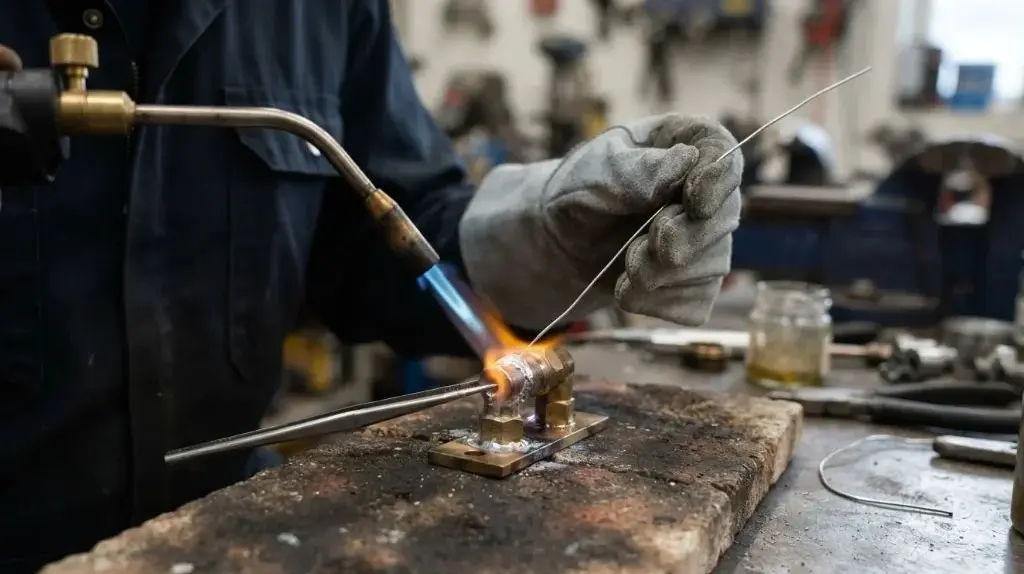
Silver brazing alloy is commonly used to join silver and other suitable metals in jewelry work. It can connect parts such as rings, chains, settings, and decorative components without melting the base metal, provided the work is heated appropriately.
The filler alloy needs to be compatible with the jewelry metal and the intended finish. Some alloys can leave a visible difference in color, and repeated heating can affect a piece’s finish or delicate components.
Plumbing and refrigeration
Some silver-bearing solders and silver brazing alloys are used to join copper tubing and compatible fittings. In refrigeration and air-conditioning work, the selected filler must suit the tubing, service conditions, and applicable requirements.
Not every product called silver solder is suitable for plumbing. For drinking-water systems, use only a product approved for that application and follow local plumbing codes. A brazing alloy intended for metal fabrication should not be assumed safe or suitable for potable water.
Metal fabrication and repair
Silver brazing alloys can join certain combinations of metals, including copper alloys and steel, when the alloy and process are appropriate. They are used for small assemblies and repairs where a durable metal-to-metal joint is needed without welding the parts together.
The exact material match matters. A filler that works well on one pair of metals may produce a weak or unreliable joint on another.
Electrical and electronic work
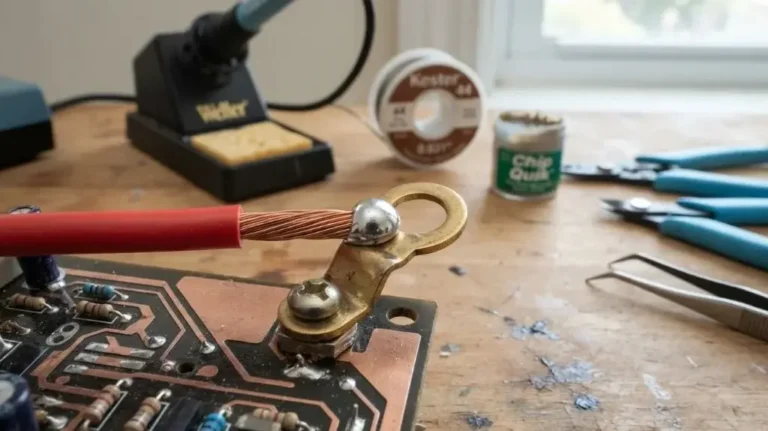
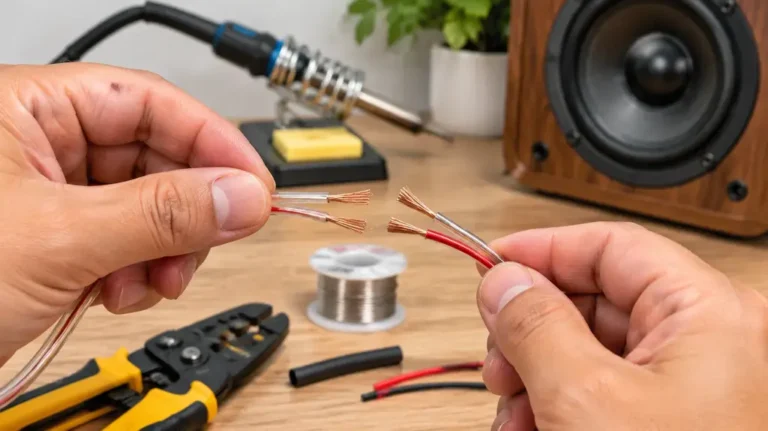
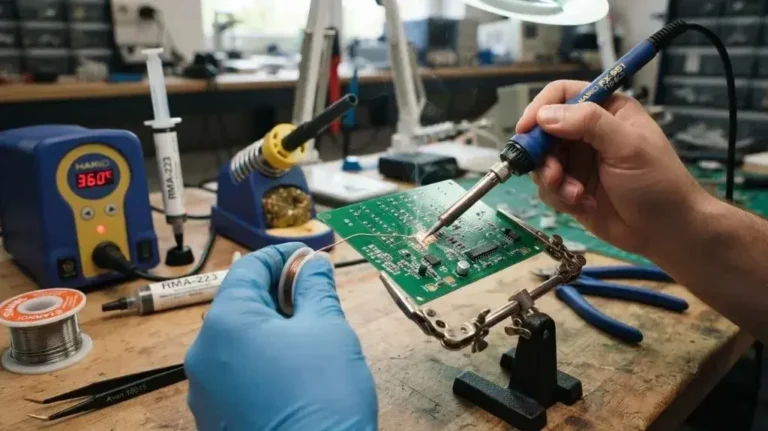
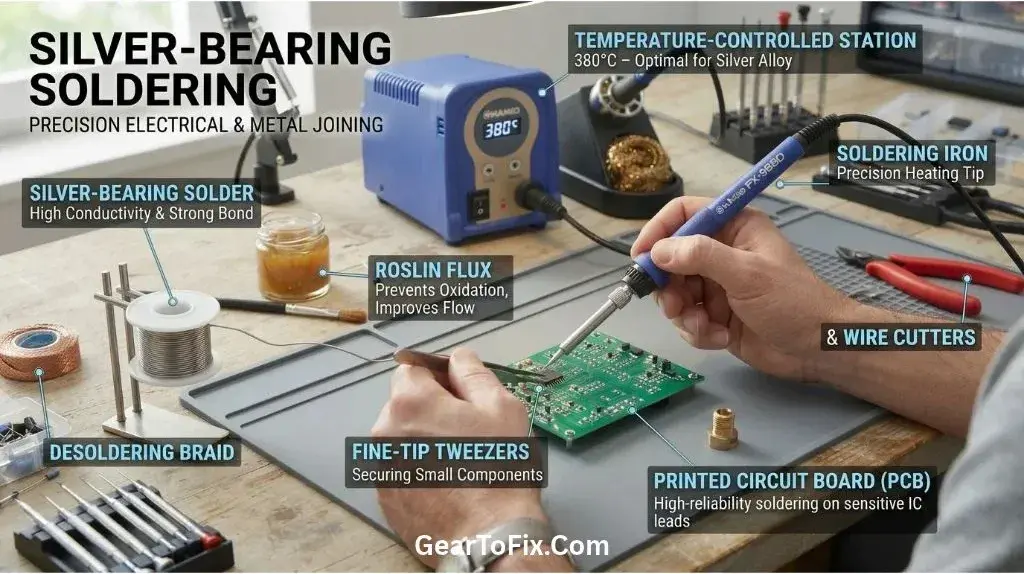
Silver-bearing soft solder is used in some electrical and electronic applications. In these products, silver is part of a low-temperature solder alloy, often alongside other metals. It is not the same as silver brazing wire, which needs much higher heat and is generally unsuitable for delicate electronic components.
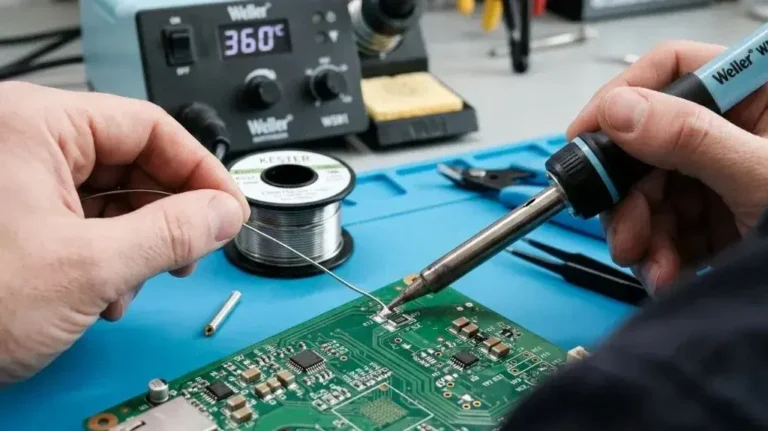
For circuit-board work, use solder intended for electronics and compatible with the components and process. The presence of silver alone does not make a solder suitable for every electrical job.
Silver-Bearing Solder vs. Silver Brazing Alloy
The biggest source of confusion is that “silver solder” is used informally for both soft solder and brazing alloy. Their applications and heating requirements differ.
| Type | How it is used | Typical applications | Main consideration |
|---|---|---|---|
| Silver-bearing soft solder | Melts at lower temperatures and forms a joint as the filler solidifies | Some electrical work and other low-temperature joining jobs | Choose a formula intended for the material and application |
| Silver brazing alloy, often called hard silver solder | Melts at higher temperatures and flows into a close-fitting joint | Jewelry, tubing, and metal fabrication | Requires a suitable heat source, joint design, and flux when specified |
In common technical usage, soldering uses filler metal that melts below 450°C (842°F), while brazing uses filler metal that melts above that temperature. Product labels and everyday usage are not always precise, so check the manufacturer’s instructions rather than judging by the name.
Silver brazing alloy typically flows into a close-fitting joint through capillary action. It does not melt the parts being joined, though the base metal must become hot enough for the filler to flow. Soft solder also joins metals without melting the base parts, but it operates at lower temperatures and is not interchangeable with brazing alloy.
What Silver Solder Wire Can and Cannot Join
Silver solder wire can join compatible metals when the alloy, flux, heat source, and joint design are suited to the job. Depending on the product, possible materials include silver, copper, brass, and some steels or other alloys.
Compatibility is not guaranteed just because a product contains silver. Before using it, check:
- The exact base metals being joined
- The filler alloy’s stated applications
- Whether a separate flux is required
- The temperature the workpiece and nearby parts can tolerate
- Whether the joint will face vibration, pressure, moisture, or repeated heating
Silver solder wire is not a universal substitute for welding. It may be unsuitable where the joint must withstand particular loads, where the materials are incompatible, or where heating could damage coatings or nearby parts. For critical structural or pressure-containing work, use a method and filler approved for the application.
How to Choose the Right Silver Solder Wire
Start with the material and purpose of the joint, not the wire’s appearance. Product descriptions should identify the alloy or explain the types of work it is designed for.
Consider these factors:
- Application: Jewelry, electronics, plumbing, refrigeration, and fabrication may require different products.
- Base metals: Confirm that the filler is compatible with every metal in the joint.
- Required strength and service conditions: Pressure, vibration, temperature changes, and exposure to water or chemicals can affect what is suitable.
- Heating needs: A soft soldering iron may work for some soft-solder applications, while brazing alloy typically requires a more suitable heat source.
- Flux requirements: Some products are used with a separate flux; others may have different application instructions. Follow the product label.
- Codes and approvals: Plumbing and other regulated work may have specific material requirements.
Wire is convenient when the filler needs to be fed gradually into a joint. Other forms, such as rods or pre-cut pieces, may be more practical for larger work. The form affects handling, not whether the alloy is compatible with the job.
Common Mistakes to Avoid
- Assuming all silver solder is the same: Soft solder and silver brazing alloy have different uses and heating requirements.
- Choosing by silver content alone: The full alloy composition and intended application matter.
- Using the wrong heat source: Too little heat may prevent the filler from flowing; excessive or poorly controlled heat can damage the workpiece.
- Ignoring flux instructions: The wrong flux—or no flux when one is required—can interfere with the joint.
- Using an unapproved alloy for plumbing: Confirm suitability for the system and local requirements, particularly for drinking water.
- Treating brazing as a substitute for welding in every case: Joint strength and suitability depend on the design, materials, and service conditions.
Safety When Working With Silver Solder Wire
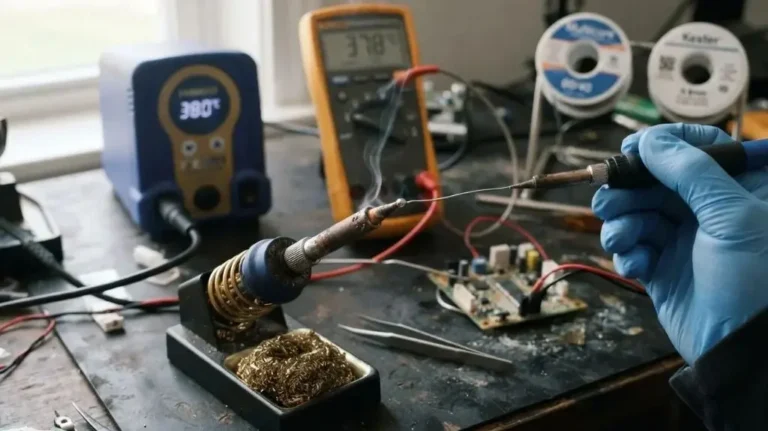
Heating solder and flux can produce fumes, and brazing involves high temperatures that can cause burns or ignite nearby materials. Work in a well-ventilated area, protect your eyes and hands, and keep flammable items away from the work area. Follow the safety information supplied with the solder and flux.
Check the alloy’s composition before heating it. Some older or specialized brazing alloys may contain hazardous metals, including cadmium. Do not assume an unfamiliar product is safe to use without reviewing its label and safety documentation.
FAQs Of What Is Silver Solder Wire Used For
Is silver solder wire the same as silver wire?
No. Silver solder wire is a metal filler alloy used to join parts; it is not necessarily made of pure silver. Its composition varies by product.
Is silver solder wire used for jewelry?
Yes. Silver brazing alloy is used in jewelry fabrication and repair, but the alloy must suit the metals and the piece’s design. Silver-bearing soft solder is a different material and is not interchangeable with jewelry brazing alloy.
Can silver solder wire be used on copper?
Some silver-bearing solders and silver brazing alloys are suitable for copper, but the correct product depends on the application and joint requirements. Check the manufacturer’s material guidance.
Can silver solder wire be used with a regular soldering iron?
Some silver-bearing soft solders can be used with an appropriate soldering iron. Silver brazing alloy generally requires substantially more heat, so a regular electronics soldering iron is not suitable.
Is silver solder wire suitable for drinking-water pipes?
Only if the specific product is approved for potable-water use and meets local requirements. The term “silver solder” by itself does not establish that it is safe or compliant for drinking-water plumbing.
Final Thoughts
Silver solder wire is used to join compatible metals, but the term covers both low-temperature silver-bearing solder and higher-temperature silver brazing alloy. Identify which type you have, confirm that it matches the base metals and application, and follow the product’s instructions for heat, flux, and safety.

Scott Yarnell is a tool expert focused on practical guides, product research, and real-world tool performance to help readers make informed decisions.