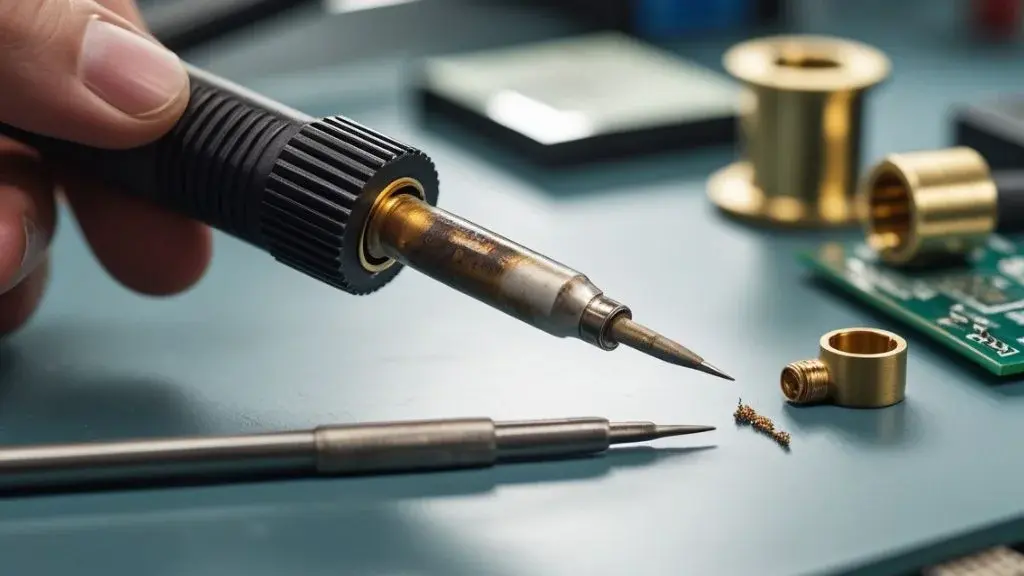
How Long Does a Soldering Iron Tip Last: Lifespan Guide
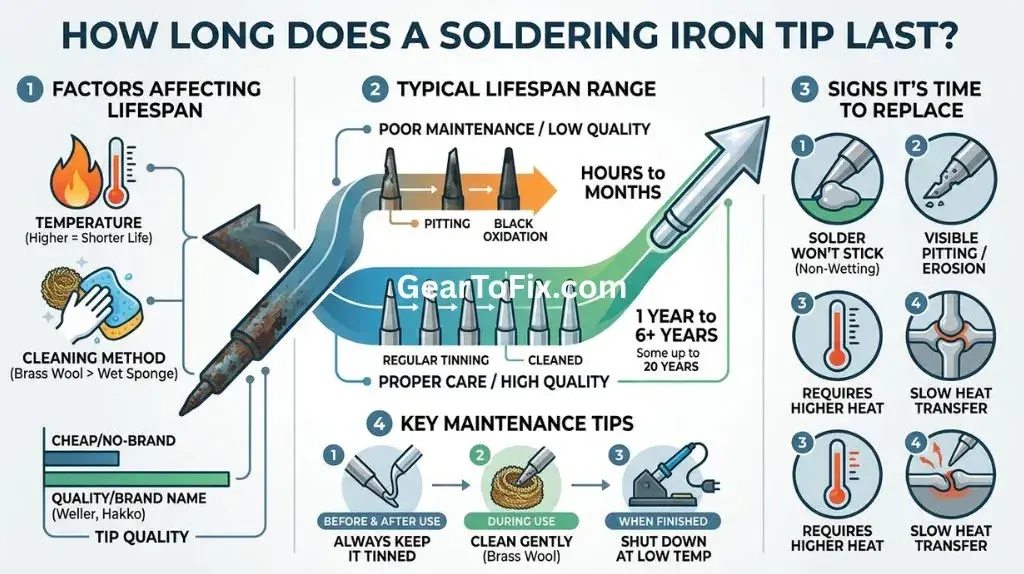
A soldering iron tip can last anywhere from several hours to many months or longer, depending on its quality, temperature, workload, solder, flux, cleaning method, and storage. A well-maintained plated tip may remain usable for a long time, while a tip exposed to excessive heat, corrosive flux, or abrasive cleaning can deteriorate quickly.
The most reliable way to judge tip life is not by calendar age alone. A tip should be replaced when it no longer holds solder, transfers heat effectively, or has damaged plating that affects the joint.
What Determines How Long a Soldering Iron Tip Lasts?
Soldering iron tips are consumable parts. Although the copper core transfers heat efficiently, the outer plating protects it from rapid erosion. Once that protective layer is damaged, the tip can wear much faster.
Several conditions affect service life:
- Operating temperature: Higher temperatures accelerate oxidation and wear.
- Workload: Frequent soldering exposes the tip to more heating cycles and contact with solder, flux, and components.
- Solder type: Lead-free solder generally requires more heat than traditional tin-lead solder and may be harder on a tip.
- Flux chemistry: Aggressive or highly activated flux can attack the tip’s protective surface.
- Cleaning method: Brass wool is usually less damaging than abrasive files, sandpaper, or scraping tools.
- Tinning habits: Keeping a thin layer of solder on the working surface helps protect it from oxidation.
- Tip quality: Better-made tips typically have more durable plating and more consistent heat transfer.
- Mechanical contact: Pressing the tip against a joint or using it to pry, scrape, or bend wires can damage the plating.
Because these factors vary widely, there is no universal number of hours that applies to every soldering iron tip.
Typical Tip Lifespan in Different Work Conditions
A tip used occasionally for small electronics repairs may last for a long time, especially when it is operated at a suitable temperature and cleaned correctly. A tip used continuously in production work may need replacement much sooner.
The following comparisons are general rather than fixed service guarantees:
| Working conditions | Likely effect on tip life |
|---|---|
| Occasional low-volume soldering with mild flux | Often supports long service life |
| Regular electronics assembly with proper maintenance | Moderate to long service life |
| Frequent use with lead-free solder | Can shorten life because of higher operating temperatures |
| Excessive temperature or long idle periods | Rapid oxidation and plating wear |
| Aggressive or corrosive flux | Faster surface degradation |
| Abrasive cleaning or scraping | May cause early failure |
| Mechanical prying or tapping | Can chip or expose the underlying copper |
A tip that is used carefully may remain functional for months or longer. A heavily used tip in poor conditions may deteriorate within a much shorter period. The visible condition and soldering performance provide a better replacement guide than age alone.
Signs That a Soldering Iron Tip Needs Replacement
A worn tip usually gives several warning signs. Some problems can be corrected through cleaning and retinning, but others indicate permanent damage.
Solder Will Not Wet the Tip
A healthy tip should accept solder across most of its working surface. If solder repeatedly beads up and rolls away, the surface may be oxidized or contaminated.
Try cleaning the tip and applying fresh solder. If it still refuses to hold solder, the protective plating may be damaged.
The Tip Looks Dull, Crusted, or Heavily Oxidized
A used tip does not need to look perfectly shiny to work properly. However, thick black oxidation, hard crust, pits, or irregular buildup can interfere with heat transfer and solder flow.
A small amount of dullness is not necessarily a reason to replace the tip. Severe buildup that cannot be removed with normal tip care is a stronger warning.
Copper Is Visible Through the Surface
Most replaceable soldering tips have a plated working surface. If the underlying copper becomes visible, the protective plating has been worn away.
Once exposed, copper can dissolve into solder relatively quickly. The tip may become misshapen, develop holes, or lose its intended geometry. Replacement is normally the best solution rather than trying to restore the plating.
Heat Transfer Becomes Poor
A damaged or badly oxidized tip may take longer to melt solder or may fail to transfer enough heat to a joint. This can happen even when the soldering iron itself still reaches its normal temperature.
Poor heat transfer may also result from using a tip that is too small for the joint. Before replacing it, confirm that the tip size and shape are suitable for the work.
The Tip Shape Has Changed
The working end should retain its intended shape. A pointed tip that has become rounded, pitted, or uneven may no longer transfer heat consistently.
Do not reshape a plated tip with a file or abrasive tool. Removing the outer plating usually causes more damage than it solves.
Soldering Requires Excessive Pressure
A good tip should transfer heat through contact, not force. If you find yourself pressing hard against pads or terminals to melt solder, the tip may be oxidized, damaged, too small, or operated at an unsuitable temperature.
Excessive pressure can lift circuit-board pads and further damage the tip.
Can a Soldering Iron Tip Be Restored?
Sometimes. A tip that is merely oxidized or poorly tinned may recover after careful cleaning and fresh solder is applied. A tip with missing plating, deep pits, cracks, or exposed copper generally cannot be restored reliably.
To attempt basic recovery:
- Heat the iron to its normal working temperature.
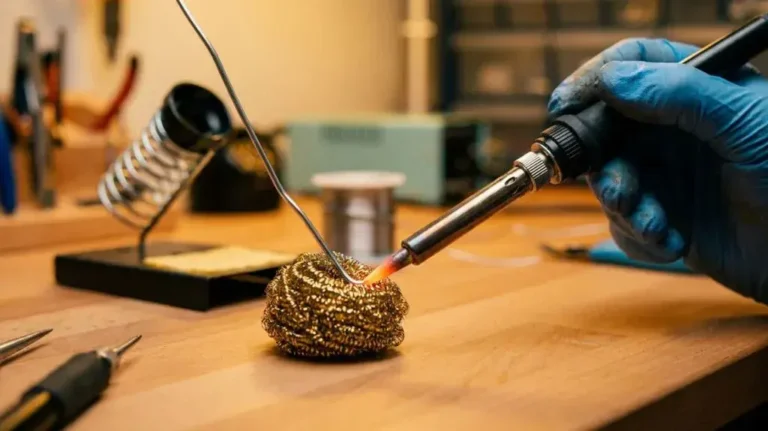
- Wipe the tip gently with brass wool or a damp tip-cleaning sponge.
- Apply fresh solder to the working surface.
- If the solder spreads evenly, continue using the tip while keeping it tinned.
- If solder still beads up or the surface remains damaged, replace the tip.
Avoid aggressive scraping. Files, knives, sandpaper, and abrasive blocks can remove the protective coating and shorten the remaining service life.
How to Make a Soldering Iron Tip Last Longer
Proper tip care can significantly reduce oxidation and mechanical wear.
Use the Lowest Effective Temperature
Set the iron hot enough to melt the solder and heat the joint efficiently, but avoid using excessive heat as a substitute for proper technique. The suitable setting depends on the solder, flux, joint size, thermal mass, and soldering station.
A very high temperature can oxidize the tip faster and increase damage to sensitive components or circuit-board pads.
Keep the Tip Tinned
Tinning means coating the working surface with a thin layer of solder. This layer helps limit exposure to air, improves heat transfer, and makes it easier for solder to flow onto the joint.
A tip should generally have a small amount of solder on it during active use and before it is returned to its holder. Do not leave it completely dry while hot.
Clean It Gently
Brass wool removes residue without scraping the surface as aggressively as many abrasive materials. A damp sponge can also be used, although repeatedly cooling a hot tip with water may cause greater temperature changes.
Regardless of the cleaning method, avoid grinding, filing, or scraping the working surface.
Use Suitable Flux
Flux helps remove oxidation from the joint and allows solder to flow. Use flux appropriate for electronics or for the material being soldered, and remove residues when the flux type requires cleaning.
Highly corrosive fluxes intended for plumbing or other heavy-duty work may damage an electronics soldering tip if used improperly.
Avoid Using the Tip as a Tool
A soldering tip should not be used to pry components, scrape coatings, push wires into place, or break solder joints apart. Mechanical force can deform the tip or crack its plating.
Use tweezers, cutters, picks, or other suitable tools for those tasks.
Turn the Iron Down or Off During Long Pauses
Leaving an iron at full operating temperature while it is not being used promotes oxidation and unnecessary wear. If the soldering station has an idle or sleep mode, using it during pauses can help reduce thermal stress and tip degradation.
Follow the instructions for the specific soldering station, since temperature-control features differ between models.
Match the Tip to the Joint
A tip should be large enough to transfer heat effectively but small enough for the area being soldered. An extremely fine tip may struggle with a large connector or ground plane, forcing the user to increase temperature or dwell time.
Using an appropriate shape and size can improve both soldering results and tip life.
Common Mistakes That Shorten Tip Life
Several habits can make a tip fail earlier than expected:
- Running the iron at maximum temperature for ordinary work
- Leaving the tip bare and dry while it is hot
- Using abrasive materials to remove oxidation
- Applying excessive pressure to the joint
- Using the tip to pry or scrape
- Leaving solder residue and corrosive flux on the surface
- Using the wrong type of flux
- Choosing a tip that is too small for the joint
- Attempting to file a damaged tip back into shape
- Storing the iron with a badly oxidized, unprotected tip
Many tip problems are mistaken for a defective soldering iron. In some cases, the station is working correctly but the tip has lost its ability to accept solder or transfer heat.
How to Tell Whether the Tip or Iron Is the Problem
A poor soldering result does not always mean the tip needs replacement. Check the following before buying a new one:
- Confirm the iron is reaching its set temperature. A faulty heater, sensor, or control system can cause general heating problems.
- Inspect the tip for plating damage. Exposed copper or deep pitting usually indicates replacement.
- Try a compatible replacement tip. If the new tip works normally, the original tip was likely worn.
- Check the tip size and shape. A very small tip may not transfer enough heat for the joint.
- Review the solder and flux. Incompatible or highly corrosive materials can cause poor wetting and rapid oxidation.
- Inspect the workpiece. Dirty, oxidized, or heavily contaminated surfaces can prevent solder from flowing even with a good tip.
If several compatible tips heat poorly, the soldering iron or station may require further diagnosis.
Is It Safe to Keep Using a Worn Tip?
A moderately oxidized tip may still be usable after cleaning and retinning. A tip with exposed copper, severe pitting, cracks, or an unstable shape should be replaced.
Continuing to use a badly damaged tip can lead to:
- Poor heat transfer
- Longer contact with circuit-board pads
- Inconsistent solder joints
- Greater risk of lifting pads or damaging components
- Unnecessary stress on the soldering iron
- More difficult rework and repair
Always place a hot iron in a stable holder, keep flammable materials away from the work area, and allow the tool to cool before handling or replacing a tip.
FAQs About How Long Does a Soldering Iron Tip Last
How often should a soldering iron tip be replaced?
There is no fixed replacement schedule. Replace the tip when it no longer holds solder, transfers heat properly, or retains its original shape after normal cleaning and tinning. Light users may go months or longer, while frequent users may replace tips more often.
Does lead-free solder reduce soldering iron tip life?
It can. Lead-free solder often requires higher working temperatures and may contribute to faster oxidation or wear, depending on the solder formulation and flux. Using suitable temperatures, proper tinning, and compatible tips can reduce the effect.
Why does solder stop sticking to my soldering iron tip?
The usual possibilities include oxidation, contamination, insufficient cleaning, incorrect temperature, unsuitable flux, or damaged plating. Clean the tip gently and apply fresh solder. If it still will not wet, replacement may be necessary.
Can I use sandpaper to clean a soldering iron tip?
It is generally a poor choice for plated tips. Sandpaper, files, and similar abrasives can remove the protective coating and expose the copper core. Use brass wool, a suitable damp sponge, and fresh solder instead.
Should a soldering iron tip be shiny?
A thin coating of fresh solder may appear shiny, but the bare tip does not have to remain mirror-bright to work. A dull surface can still function if it accepts solder and transfers heat effectively. Heavy black oxidation, pits, or exposed copper are more meaningful warning signs.
Does leaving solder on the tip help it last longer?
Yes, a thin layer of solder helps protect the hot surface from air and oxidation. Tinning should be refreshed during use and before placing the iron in its holder. Remove excessive buildup gently rather than scraping the tip.
Final Takeaway
A soldering iron tip can last from a short period of heavy use to many months or longer under careful conditions. Its lifespan depends more on temperature, solder and flux chemistry, cleaning technique, workload, and mechanical handling than on age alone.
Keep the tip lightly tinned, use the lowest effective temperature, clean it without abrasives, and never use it as a pry tool. Replace it when solder will no longer wet the surface, the plating is damaged, the shape has changed, or heat transfer becomes unreliable.

Scott Yarnell is a tool expert focused on practical guides, product research, and real-world tool performance to help readers make informed decisions.