
Soldering Iron Vs Desoldering Iron: Which To Choose
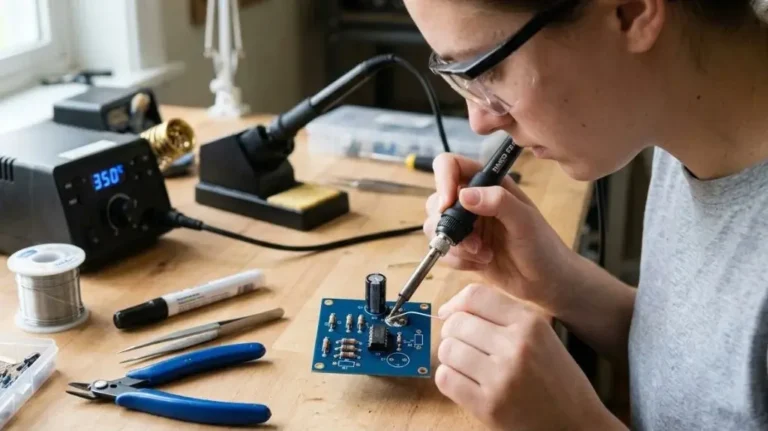
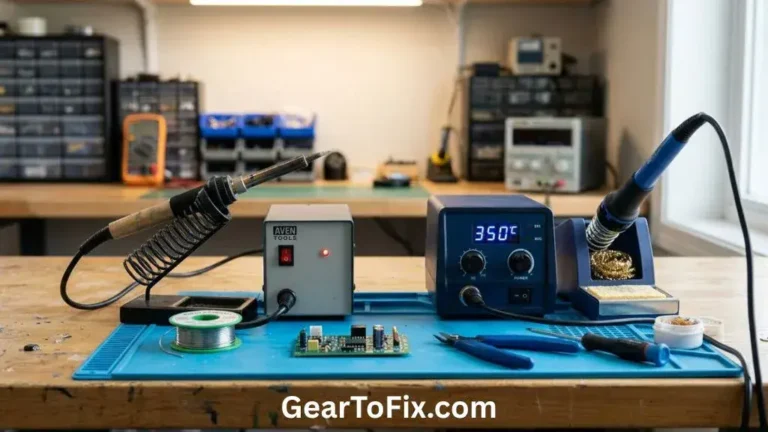
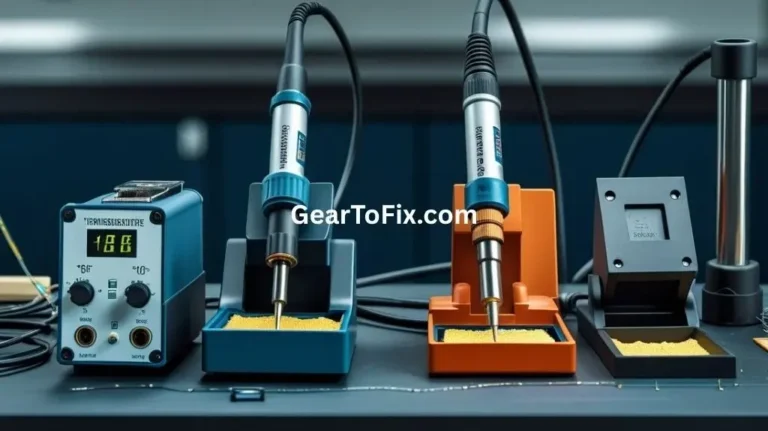
For weeks, my bench has been cluttered with circuit boards, loose wires, and two very different tools. I set out to settle the classic Soldering Iron vs Desoldering Iron debate. Each tool serves a unique role on a busy work table. If you want to build new kits, a standard soldering iron is your main tool. If you need to salvage old parts or fix mistakes, a desoldering iron is a life saver.
Choosing the wrong one can waste your hard-earned money and ruin your boards. A cheap tool will frustrate you with slow heat times and clogged tips. Let us look at how both tools performed under real daily use at my bench. This honest guide will help you choose the right tool for your skill level, budget, and projects.
Side-by-Side Specs Comparison
Before we dive into the daily experience, let us look at the raw numbers. These specs show how each tool handles heat and power. Here is a direct look at the technical details of both devices.
| Feature | Product 1 (Soldering Iron) | Product 2 (Desoldering Iron) |
|---|---|---|
| Price | Budget-Friendly | Mid-Range |
| Wattage | 65W | 90W |
| Heat-Up Time | 15 Seconds | 45 Seconds |
| Tip Type | Interchangeable | Replaceable Nozzle |
| Cord Length | 4.9 Feet | 5.2 Feet |
| Weight | 150 Grams | 420 Grams |
| Warranty | 1 Year | 1 Year |
These numbers tell a clear story about power and weight. The standard iron is light and heats up very fast. The desoldering tool needs more power to warm up its vacuum system.
Unboxing and First Impressions
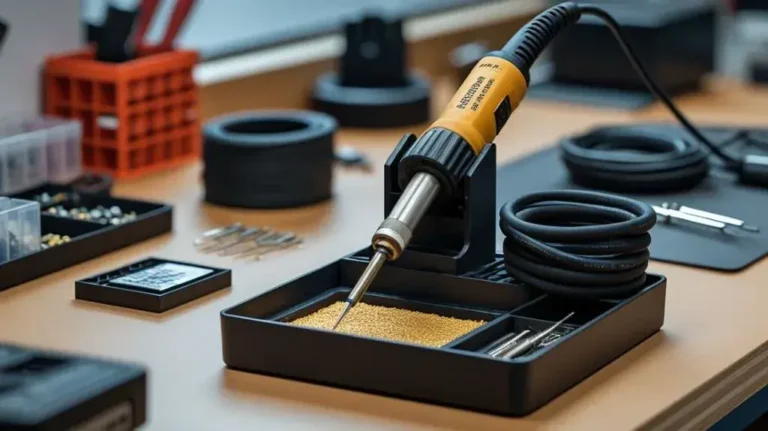
When I first opened the boxes, the difference in size surprised me. The standard soldering iron felt like a thick pen in my hand. The box came with a small safety stand, a few tips, and a simple power cord. The cord felt a bit stiff, which made me worry it would fight me on the bench. There was no chemical smell when I turned it on for the first time. It felt ready for quick, simple repairs right away.
The desoldering iron felt much heavier, like a bulky toy gun. It came with extra nozzle filters, cleaning pins, and a much sturdier stand. When I plugged it in, I noticed a slight oily smell as the heating element warmed up. It took almost a minute to get hot, and the internal pump made a loud hum. My first attempt to clear a joint was loud but very satisfying.
Build Quality and Components
Let us look at how these tools are made. The build quality of your tools changes how long they last on your bench. Here is my breakdown of their parts after weeks of heat exposure.
Housing and Grip Material
The standard iron uses a soft rubber grip over hard plastic. It stays cool even after an hour of work. The desoldering gun uses thick plastic but feels a bit front-heavy. The grip is wide to hold the vacuum trigger.
Tip Quality and Included Tip Count
The soldering iron came with five different tips for various jobs. They resist tip oxidation well if you keep them clean. The desoldering iron came with three nozzles of different sizes. They are thick and hold heat well.
Heating Element Type
The standard iron uses a fast ceramic heating element. It responds quickly when you change the temperature control. The desoldering iron uses a heavy metal core to heat both the tip and the vacuum tube.
Cord or Cable Durability
The standard iron has a thin silicone cord that bends easily. It does not pull on your hand while you work. The desoldering iron has a thick, heavy cord that can feel clunky on a small bench.
Overall Fit and Finish
Both tools feel solid and do not rattle when you shake them. The standard iron feels more refined and precise. The desoldering iron feels like a rugged workhorse built for heavy tasks.

Ease of Use and Handling
Using these tools day after day revealed their true character. The standard iron is very beginner friendly because it is so light. You can hold it for hours without your hand getting tired. It is easy to hit fine-pitch joints on tiny circuit boards. The learning curve is very low, making it great for first-time soldering.
The desoldering iron takes some practice to handle well. The bulk makes it hard to use in tight spaces. You have to hold it perfectly flat against the board to get a good seal. If you tilt it, the vacuum leaks and leaves solder behind. It is less precise but saves huge amounts of time on desoldering jobs.
Performance and Reliability Over Time
After three weeks, both tools showed some wear. The standard iron required constant re-tinning to prevent the tip from turning black. The desoldering iron suffered from occasional clogs in the solder chamber. Here is how they compare over long sessions.
| Feature | Product 1 (Soldering Iron) | Product 2 (Desoldering Iron) |
|---|---|---|
| Tip Wear | Minimal scale buildup | Nozzle wear from rubbing |
| Clogging Risk | None | High if not cleaned daily |
| Filter Changes | None Required | Every 10-15 uses |
| Grip Wear | Rubber stayed soft | Trigger became squeaky |
The standard iron proved highly reliable for quick daily tasks. The desoldering tool required regular cleaning with the included metal pins. If you skip cleaning, the vacuum suction drops fast.
Heat-Up Time and Temperature Stability
A cold iron is a useless iron. The standard iron gets hot in about fifteen seconds, which is amazing for quick fixes. The temperature control is accurate, and it recovers heat instantly after touching a cold joint. I noticed very little temperature drift during long sessions.
The desoldering iron takes much longer to reach a stable heat. You must wait at least a full minute before you start pulling solder. The heavy nozzle takes longer to recover its temperature between joints. If you go too fast, you get cold joints that clog the nozzle intake.
📖 Related Guide: Is Your Soldering Iron Not Heating Up? Here’s How to Fix It
Design and Build Comparison
Designing a good bench tool is all about balance and comfort. The standard iron excels at being small and out of the way. Here is how their physical designs match up under daily use.
| Feature | Product 1 (Soldering Iron) | Product 2 (Desoldering Iron) |
|---|---|---|
| Material | Slim Plastic and Rubber | Heavy Polycarbonate |
| Grip or Handling Feel | Light pen-style grip | Pistol-style trigger grip |
| Label / Display Clarity | Small bright LED screen | Simple analog light |
| Portability | Fits easily in a pocket | Needs a carrying box |
| Bench Footprint | Very small stand | Large heavy base stand |
| Overall Feel | Nimble and highly precise | Bulky but very powerful |
For daily use, the standard iron is much easier to handle and store. It does not clutter your workspace. The desoldering iron is a tool you only pull out when you have a massive teardown job.
Fumes and Ventilation — What You’ll Notice While Working
Soldering always creates fume and smoke that you should not breathe. The standard iron produces a thin stream of smoke when the flux melts. It is easy to manage with a small desk fan or a simple window open. The smell does not linger long in a medium-sized room.
The desoldering iron creates a different kind of smoke profile. Because it vacuums the hot solder, the fumes are pulled inside the gun. The internal filters catch some of the debris, but a strong smell still escapes. You will notice a hot, dusty metallic odor during long desoldering sessions. Good ventilation is a must when using the desoldering gun.
Temperature Control and Precision
Having precise heat is key when working on delicate electronics. Too much heat will lift copper pads right off the board. Let us compare how well these tools manage their temperature settings.
| Feature | Product 1 (Soldering Iron) | Product 2 (Desoldering Iron) |
|---|---|---|
| Temperature Adjustability | Digital button control | Analog dial control |
| Consistency Across Joints | High stability | Moderate drop during vacuum |
| Suitable for Fine-Pitch Work | Excellent | Poor |
| Recovery Speed | Fast recovery | Slow recovery |
| Beginner Forgiveness | High | Moderate |
| Multi-Project Suitability | Very versatile | Specialized only |
The digital display on the standard iron makes it easy to set the exact heat you need. The desoldering iron has a simpler dial that requires some guessing. The standard iron is much better for fine work.
Ease of Use and Daily Bench Routine
Your bench routine should be smooth and fast. A tool that is hard to set up will make you avoid your projects. I tracked how much time I spent setting up and cleaning up each tool.
| Task | Product 1 (Soldering Iron) | Product 2 (Desoldering Iron) |
|---|---|---|
| Setup and Power-On | Instant plug and play | Fiddly with hose and cords |
| Cleanup After Use | Simple tip wipe | Emptying solder chamber |
| Storage Convenience | Fits in any small drawer | Needs a tall shelf space |
| Travel or Portable Use | Highly portable | Difficult to travel with |
| Speed of Getting to Work | Under 30 seconds | Around 2 minutes |
| Maintenance Needed | Low (occasional tinning) | High (cleaning tubes) |
The standard soldering iron wins the daily routine battle easily. It is always ready to go and requires almost no cleanup. The desoldering iron is a specialty tool that requires real effort to maintain.
Long-Term Performance and Durability
After weeks of regular use, the differences in durability became clear. The standard iron shows almost no wear except for a slightly dull tip. The heating element is still strong and holds its temperature accurately. The silicone cord has remained soft and flexible. I expect this tool to last for years of hobby use.
The desoldering iron requires constant attention to stay in top shape. The rubber seals inside the vacuum chamber can dry out and leak air. The nozzles will slowly wear down from rubbing against circuit board pads. If you clean it after every session, it will last, but neglect will kill it quickly.
Price and Value for Money
The standard soldering iron is highly affordable and offers amazing value. You can find excellent digital models for a very low price. The price per use is extremely low because it handles 90% of bench tasks. It is the best starting point for any beginner on a tight budget.
The desoldering iron is much more expensive and serves a single purpose. It is a major investment for a hobbyist. However, if you repair vintage radios or console boards, it pays for itself. The time saved removing multi-pin chips makes the high price worth every penny.
How It Compares to Similar Products
To give you a full picture, we should look at other options on the market. These tools sit between the two main products we tested.
Standard Soldering Stations
A full soldering station offers better base stability than a pen iron. It takes up more bench space but has great temperature accuracy. It is a good step up if you find a pen iron too light.
Manual Desoldering Pumps
These are cheap, hand-powered plastic tubes that use a spring plunger. They cost almost nothing but are hard to use with one hand. They do not compare to the ease of an electric desoldering iron.
Who Should Buy Which?
- Buy Product 1 (Soldering Iron) if: You are a beginner, work on a tight budget, or mostly build new kits from scratch.
- Buy Product 2 (Desoldering Iron) if: You do heavy repair work, restore old electronics, or need to save valuable chips from broken boards.
- Consider Neither If: You only need to join two wires together once a year, where a basic hardware store iron is enough.
Long-Term Ownership Considerations
Owning these tools means planning for future costs. The standard iron uses cheap, common tips that you can buy anywhere. The cost of ownership over five years is very low. You will rarely need to replace anything but a worn-out tip.
The desoldering iron has a much higher cost of ownership. You must buy replacement filters, nozzles, and chamber tubes. If the vacuum pump fails, the tool becomes useless. You should check the warranty coverage before buying to protect your investment.
Power Output and Efficiency: Soldering Iron vs Desoldering Iron
The focus keyword Soldering Iron vs Desoldering Iron highlights a battle of power. The standard iron uses its 65 watts purely to heat a tiny tip. This makes it highly efficient and fast to recover. It draws very little power when sitting idle in its stand.
The desoldering iron uses 90 watts or more because it must keep a larger metal mass hot. The vacuum pump also draws extra power during use. It is less energy-efficient but necessary for the work it does. For most simple electronics, the lower wattage of a standard iron is more than enough.
FAQs About Soldering Iron Vs Desoldering Iron
What is the main difference between a soldering iron and a desoldering iron?
A soldering iron is primarily used to melt solder and create or repair connections, while a desoldering iron is designed to heat and remove existing solder from electronic connections.
Can a soldering iron be used for desoldering?
Yes. A standard soldering iron can melt existing solder, but removing it usually requires a separate tool such as a solder sucker or desoldering wick.
What is a desoldering iron used for?
A desoldering iron is used to heat solder joints and remove molten solder, making it easier to take components off circuit boards during repair or replacement.
Is a desoldering iron the same as a solder sucker?
No. A solder sucker is a separate mechanical suction tool that removes molten solder, while a desoldering iron combines heating with a mechanism designed to remove the melted solder.
Which tool is better for removing components from a circuit board?
A dedicated desoldering iron can make component removal more convenient because it heats the joint and helps remove the molten solder in one operation.
Can I use a desoldering iron for regular soldering?
Most dedicated desoldering irons are designed primarily for solder removal, so a conventional soldering iron is generally the more appropriate tool for making and repairing solder joints.
Final Verdict
For most people, the standard soldering iron is the clear winner. It is cheap, easy to use, and handles almost every basic hobby project. It is the core tool that every electronics workbench must have.
The desoldering iron is a specialized luxury. It is not a replacement for a soldering iron, but a powerful partner. If you do heavy repair work, it will save your boards and your sanity.

Scott Yarnell is a tool expert focused on practical guides, product research, and real-world tool performance to help readers make informed decisions.